Mini system

The STRYDE

Mini Receiver System

Going beyond the limits of cabled seismographs to revolutionise small-scale seismic acquisition projects
Mini5

About the Mini System

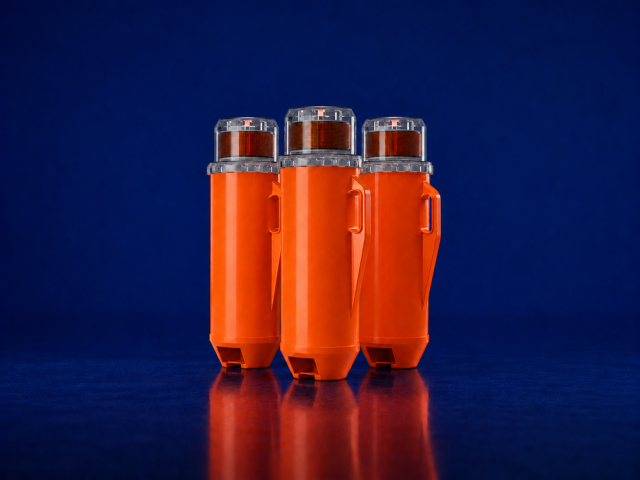
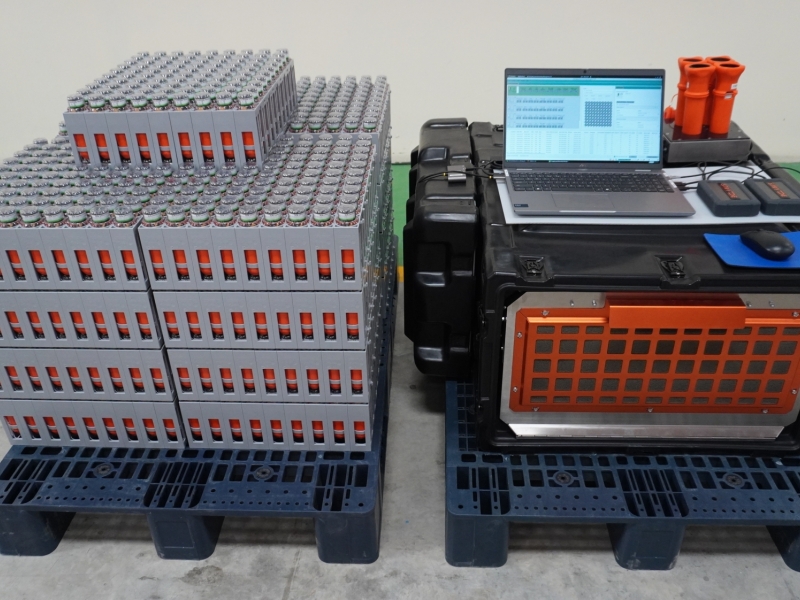
The STRYDE Mini System is a complete, lightweight nodal seismic acquisition system designed for land seismic projects requiring up to 1,500 channels.

Purpose-built for small-scale seismic surveys, research programmes, pilot studies, and low-channel-count acquisition projects, it provides a flexible and cost-effective way to acquire high-quality seismic data without the complexity of larger-scale systems.

The system supports a wide range of acquisition methods and can be used with any source type, including weight drop, dynamite, and vibroseis, as well as for passive seismic monitoring. Its compact design makes it ideal for teams seeking a simple, scalable, and field-proven solution for efficient land seismic data acquisition.

User benefits

Untitled design 25

Nodal seismic acquisition using the world’s smallest, lightest and lowest cost nodes enables faster field operations without the channel-count limitations inherent in cabled seismograph systems or expensive nodal devices.

Untitled design 25

Industry-leading cost per channel makes higher channel count surveys affordable and opens up new options for survey design and field operations.

Untitled design 25

Leverage larger channel counts to eliminate the need to roll your spread during 2D and refraction surveys, acquire denser surveys with longer offsets, or even acquire small-scale 3Ds for near-surface applications.

Untitled design 25

Cable-free seismic acquisition means field logistics are easier than ever before. Acquire data in even the most challenging environments with STRYDE Nodes™, using small teams and minimal vehicles.

"I have worked with bulky, and more costly nodal devices before and experienced limitations in terms of quantities we were able to afford, and how quickly they could be deployed. As a seismologist, being able to access and deploy a large number of miniature, low-cost instruments has totally changed the way we do microseismic monitoring, and I am really excited to start working with the data acquired.”

Tom Kettlety

Research Fellow in Geological Carbon Storage, The University of Oxford

waves

This system includes

Nodal sensors

Nodal sensors

Up to 1,500 compact and light 1C sensors with 1-125Hz bandwidth
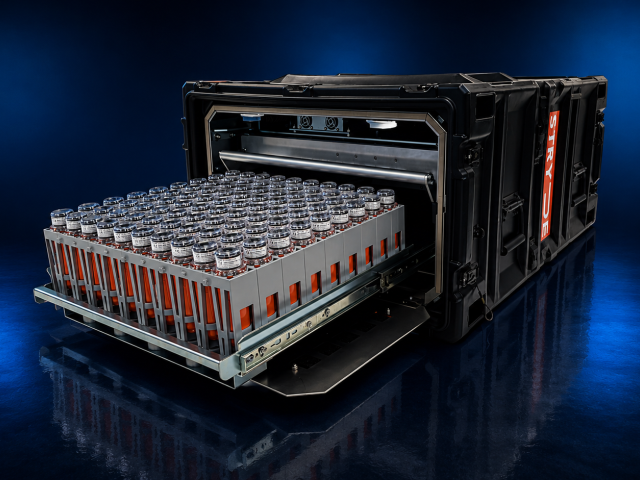
Nest case

Nest case

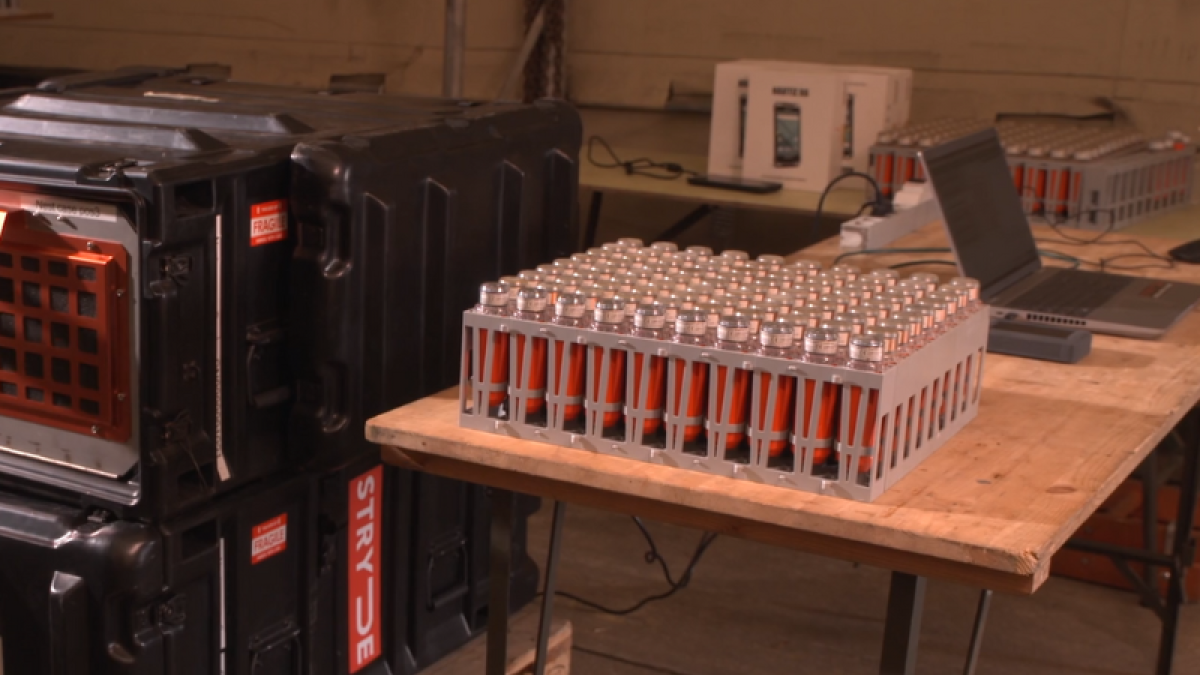
High-capacity node charging and data download rack
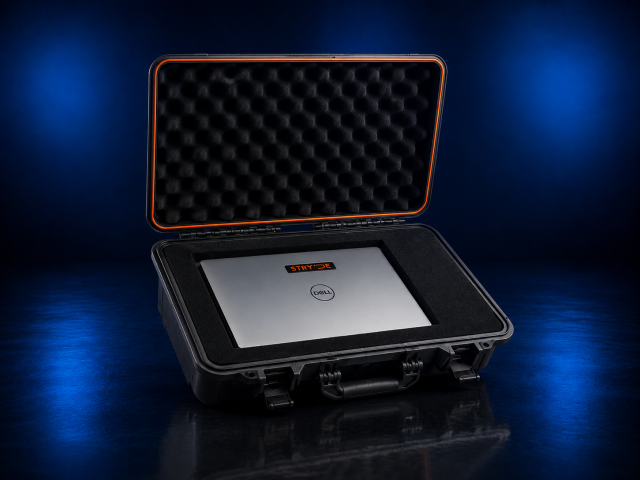
Laptop

Laptop

Software for survey planning, node and data management
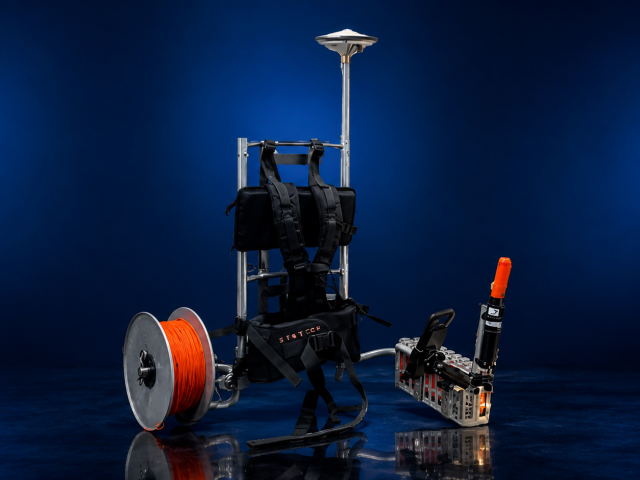
Deployment equipment

Deployment equipment

Custom designed backpacks for efficient and ergonomic node deployment and retrieval

Case studies

Using the Mini system to acquire high-quality seismic for a wide range of industries and applications

Monitoring of an Alpine landslide using dense seismic observations: Combining DAS and 1000 autonomous nodes

Monitoring of an Alpine landslide using dense seismic observations: Combining DAS and 1000 autonomous nodes

This publication, shared at EGU by ETH Zurich, focuses on developing innovative seismic strategies (STRYDE and DAS) to enhance landslide characterization and monitoring, offering improved tools for risk assessment and mitigation.
Demonstrating novel monitoring techniques at an ethanol 180,000-MT/YR CCS project in North Dakota

Demonstrating novel monitoring techniques at an ethanol 180,000-MT/YR CCS project in North Dakota

An overview and initial results of the novel and sustainable monitoring techniques developed by the Energy & Environmental Research Center (EERC) and its commercial partners associated with the Red Trail Energy (RTE) carbon capture and storage (CCS) project.
Virginia Tech uses STRYDE technology to advance near-surface research

Virginia Tech uses STRYDE technology to advance near-surface research

Advancing the understanding of subsurface weathering and hydrology through high resolution seismic refraction surveys and creative survey designs
Seismic Node Arrays for Enhanced Understanding and Monitoring of Geothermal Systems

Seismic Node Arrays for Enhanced Understanding and Monitoring of Geothermal Systems

Here, we explore how recent low-cost seismic node instrumentation advances might enhance geothermal exploration and monitoring. We show the results from 450 nodes deployed at a geothermal prospect in Cornwall, United Kingdom.
STRYDE used for peatland volume assessment to support decarbonisation research

STRYDE used for peatland volume assessment to support decarbonisation research

STRYDE provided seismic acquisition equipment and a data harvesting service to support decarbonisation research.
Understanding how elephants communicate using cutting-edge seismic technology

Understanding how elephants communicate using cutting-edge seismic technology

A team from the University of Oxford, used STRYDE seismic sensors to aid research into how elephants use seismic to communicate and to track and monitor elephants in real-time.
Agile microseismic monitoring for geothermal

Agile microseismic monitoring for geothermal

Discover how the world's smallest seismic acquisition technology was used for geothermal monitoring
STRYDE, RAF, and Newcastle University collaborate on geothermal exploration

STRYDE, RAF, and Newcastle University collaborate on geothermal exploration

STRYDE Nodes™ deployed by Newcastle University at RAF Leeming to pinpoint geothermal production locations.

Book a demo or request pricing

Fill in this form to understand more about the STRYDE Mini system or request pricing and a member of our team will be in touch shortly.