


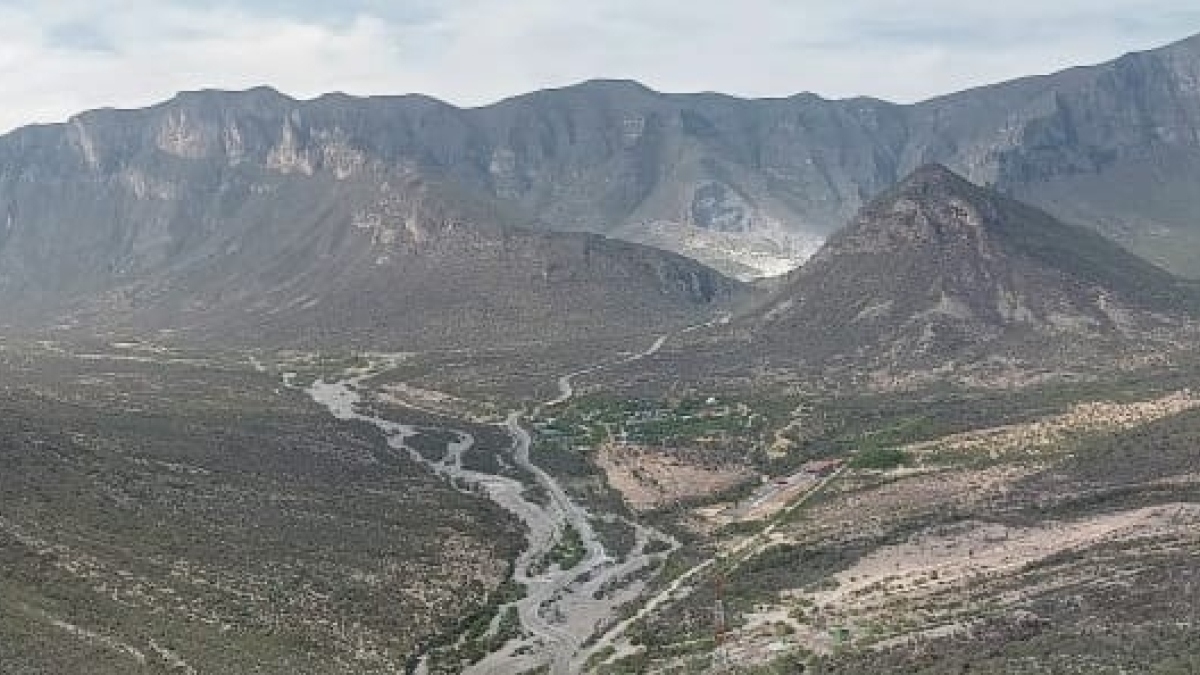
Mining
Case study
Brine is increasingly recognised as a valuable resource due to its potential to host high concentrations of dissolved minerals critical to modern industries, supporting battery manufacturing, fertiliser production, and critical chemical supply chains while offering the potential for lower-impact mineral extraction.
Unlocking this value depends on understanding the subsurface at scale - specifically the volume, continuity, and behaviour of brine-bearing systems - making accurate subsurface imaging essential for confident investment and sustainable development.
In this case study, discover how reflection seismic data was acquired and used in Mexico to image the subsurface and identify brine potential with confidence.
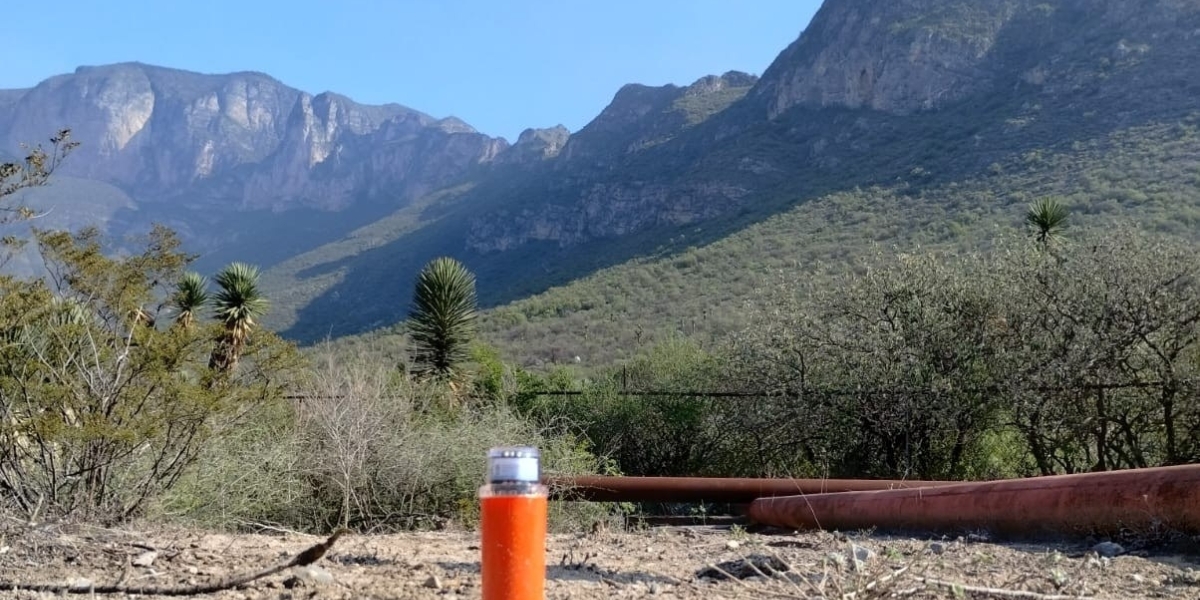
Exploring for subsurface brines in north-east Mexico presents a fundamental challenge. Complex structural geology, deep targets, and highly compartmentalised reservoirs make it difficult to determine where mineral-bearing fluids are stored and how they connect at depth.
In this setting, seismic data is essential: brine occurrence is structurally controlled and largely invisible from surface data, making seismic the only reliable method for defining reservoir geometry, connectivity, and drilling risk before committing to costly wells.
To reduce this uncertainty and risk, Flores Energy, subsurface specialists with extensive experience in structurally complex settings, deployed their STRYDE nodal seismic system to acquire high-resolution reflection seismic data across a 5 km² mountainous area.
The survey successfully imaged the subsurface to depths of up to 4,000 m, enabling Flores Energy to map cavities, structural controls, and potential brine-hosting zones with a level of clarity not achievable using surface data alone.

Seismic is the only method that reliably maps folds, thrusts, faults, and salt bodies that control where brines accumulate and are preserved.
It allows explorers to estimate the size, thickness, and continuity of brine-hosting units - critical for assessing economic potential before drilling.
Seismic reveals fault-bounded compartments, helping determine whether brines form a sustainable, connected system or isolated, uneconomic pockets.
Structural attributes from seismic highlight fracture corridors and fold hinges where porosity and brine productivity are most likely to be enhanced.
By accurately positioning wells, seismic minimizes the risk of drilling into freshwater zones, unstable salt, or non-productive intervals.
Seismic acts as the backbone dataset that makes electrical, chemical, and point well data interpretable and scalable across the project area.
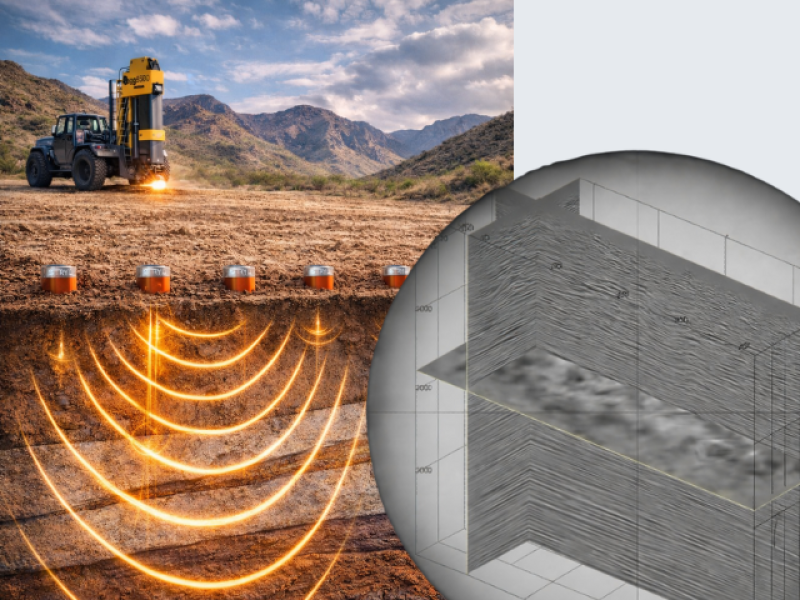
When a seismic survey is commissioned, autonomous seismic nodes are deployed across the survey area to record ground motion. An energy source (vibroseis, weight drop, explosives etc.) generates controlled seismic energy at the surface. As this energy travels through the subsurface, it reflects off rock layers, faults, fractures, and cavities, with the returning signals recorded by the nodes to build an image of the subsurface.
After acquisition, the data is retrieved, quality checked, and transferred for processing, where it is cleaned and enhanced to produce clear seismic images.
These final datasets are then delivered to geophysicists and interpreters, who use them to map subsurface structures, define target geometry and depth, and reduce drilling risk in mineral exploration.
Flores Energy was commissioned by its client to acquire high-resolution 3D seismic data across a 5 km² mountainous area in Mexico, targeting depths of up to 4,000 m.
The objective of the survey was to reduce subsurface uncertainty and support the drilling of a new well to enhance brine production in an area where seven wells were already in operation.
This project marked the first time the mining operator had used seismic data as part of its exploration and development strategy.
The STRYDE Mini system, equipped with 800 nodes (receivers), was used to record the seismic signals.
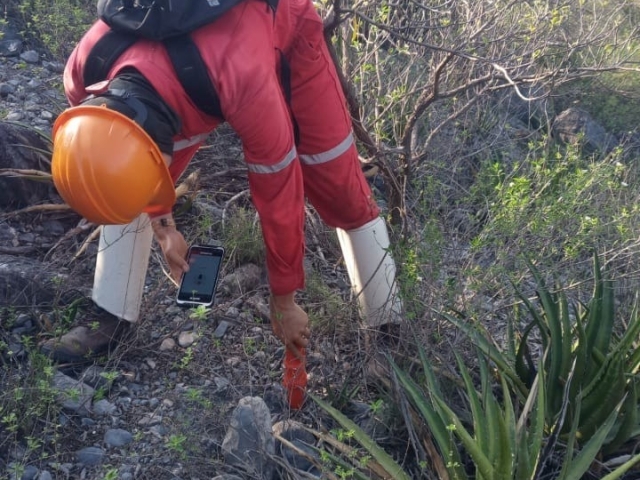
Nodes were deployed at 1,300 receiver locations, spaced at 10 m intervals, across the 5 km² survey area.
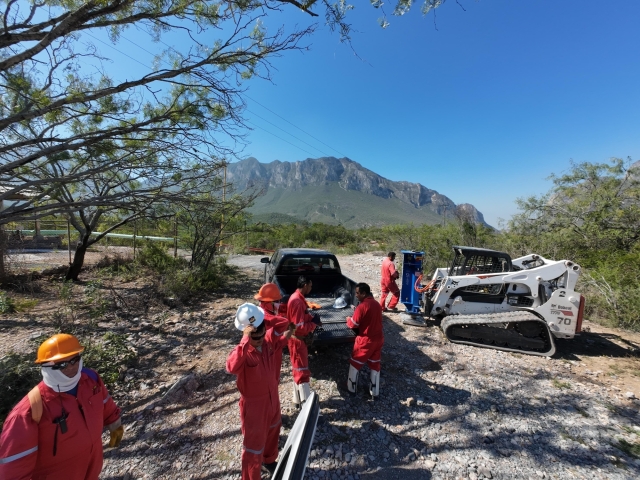
Controlled weight drop seismic source (GPEG-500 from R.T.Clark) and hammer (on top of mountain).
2,500 source points were acquired using the weight drop, supplemented by a hammer source in areas with limited access.
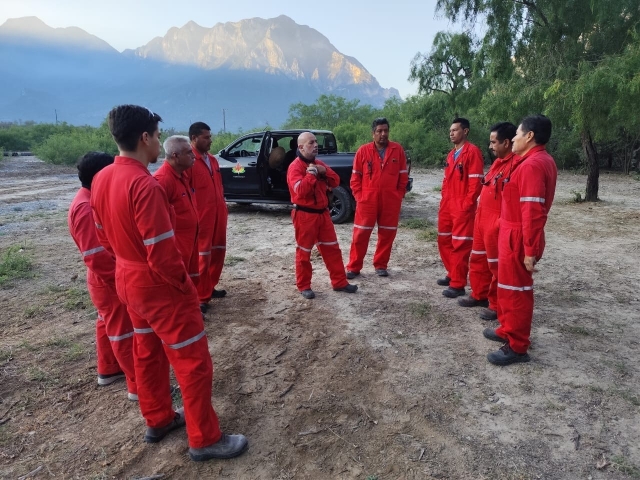
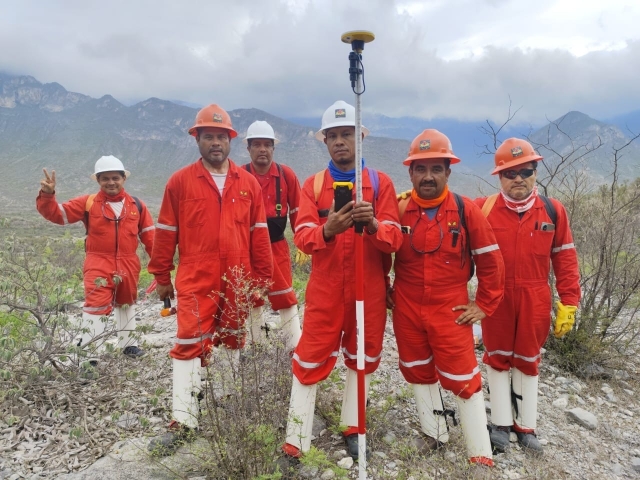
A nine-person crew carried out receiver deployment, source operations, receiver retrieval, data download, QC and redeployment.
The project was completed within two months from mobilisation to demobilisation, including rolling the receiver spread twice.
“The seismic data completely changed how our customer understands the subsurface.
For the first time, they were able to clearly see the geometry, depth, and extent of the brine system across the entire area, enabling their exploration team to confidently plan a new well and make informed drilling decisions.
The clarity of the seismic image removed much of the uncertainty previously associated with other subsurface methods. Based on these results, our customer is now planning to invest in additional reflection seismic across their portfolio in Mexico to further optimize production and reduce development risk.”
CEO at Flores Energy

Following quality control, the seismic data was delivered to specialist land seismic processors, where it underwent noise attenuation, statics corrections, velocity analysis, and imaging workflows designed to enhance true subsurface reflections.
These processing steps improved signal clarity, corrected for near-surface and topographic effects, and produced an accurate depth-consistent seismic image suitable for interpretation.
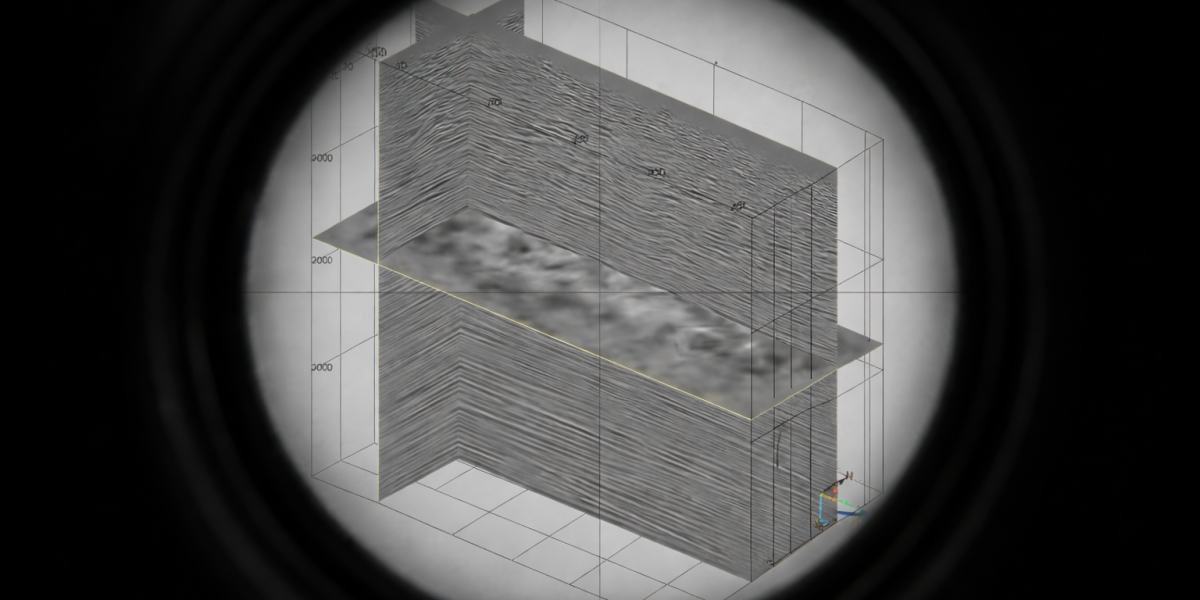
The final deliverable was a high-resolution 3D seismic image of the area of interest, which enabled interpreters to confidently plan a new well designed to optimise brine production.
This project marked the mining operator’s first use of seismic data and the first time they were able to visualise the subsurface across a large area, to depths of up to 4,000 m. Compared to previous methods - including sonar, exploration drilling, and gravity and magnetic surveys - the seismic data provided a step change in subsurface understanding and decision-making confidence.
Based on the clarity and value of the results, the operator is now planning a second seismic survey to further enhance mineral production across its portfolio in Mexico.
The STRYDE Mini seismic system is a compact, portable land seismic acquisition solution designed for efficient high-resolution surveys.
The system supports up to 1,500 autonomous receiver nodes and includes a 90-node harvesting nest and a laptop-based server used for survey planning, deployment, retrieval, data harvesting, and quality control.
Dedicated deployment tools - such as backpacks capable of carrying up to 90 nodes, a navigation system for accurate node placement, and an initialisation device used to activate and communicate with each node - enables rapid and agile field operations.
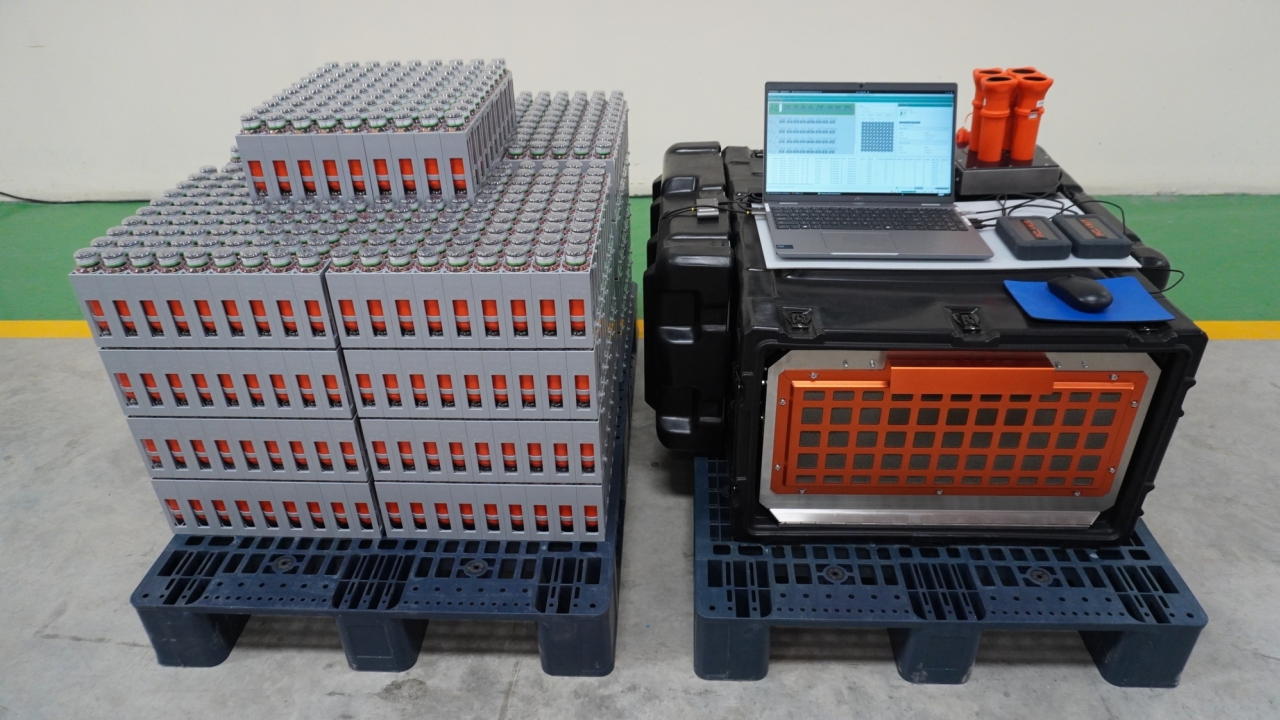
the most affordable seismic system on the market today
enabling easy transport and deployment at any onshore location
allows bulk node handling to minimize crew requirements and logistics
reduces training requirements and can be operated by inexperienced seismic personnel
“Compared to other nodal systems we’ve used, the STRYDE Mini system was noticeably easier to operate and far more reliable in the field. Support was significantly better, and the system performed consistently without unexpected issues. Deployment was much quicker, even in mountainous terrain, largely due to the lighter equipment and simpler workflows, which allowed us to operate with a much smaller crew.
With other systems, harvesting was reliable but required days of preparation, which slowed operations. With STRYDE, we were able to mobilize and start work immediately.
The data quality was comparable to other nodal systems we’ve used, but the main difference was in confidence: the system may feel lightweight, but it is robust. The server was powerful, stable, and never shut down, which meant we could trust the system and focus on delivering the survey for our customer within the timeline we planned.”
CEO at Flores Energy