


The STRYDE
A low-cost, agile, and portable seismic system, which can handle up to 30,000 nodes for conventional and high-density seismic data acquisition.
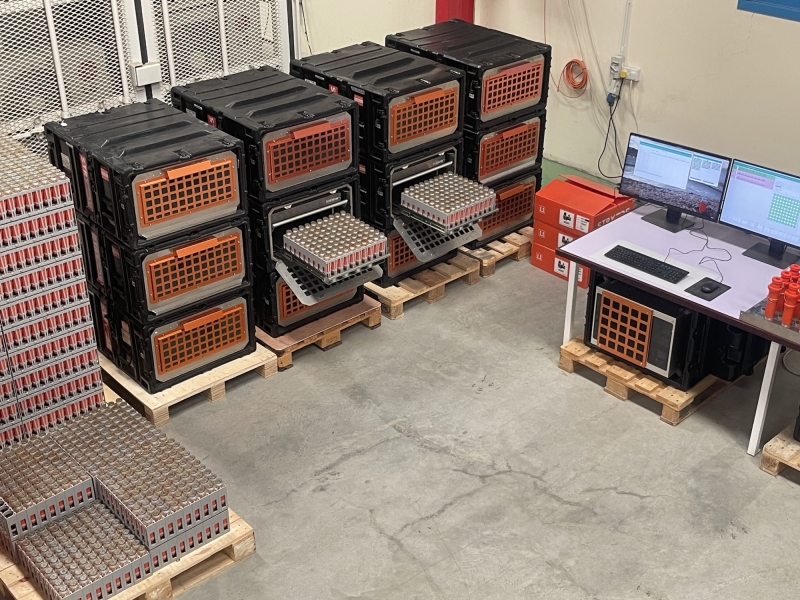
At STRYDE, our mission is to make high-density seismic data affordable to anyone. High-density data is the foundation of high-resolution seismic imaging - but achieving it on land often means balancing cost, logistics, and terrain challenges.
STRYDE’s Nimble Seismic System redefines that balance. Our lightweight nodal technology, modular harvesting hardware, and semi-automated handling solutions enable faster, safer, and more efficient surveys—cutting costs, reducing crew size, and accelerating data delivery.
Designed for speed and scalability, the system maximizes throughput across every stage of the seismic survey. From charging and programming, to deployment, recovery, and data offload - allowing you to increase data density and imaging quality without extending budgets or time in the field.
Our rapid-deploy, plug-and-record system empowers crews to start acquiring high-density data within hours.
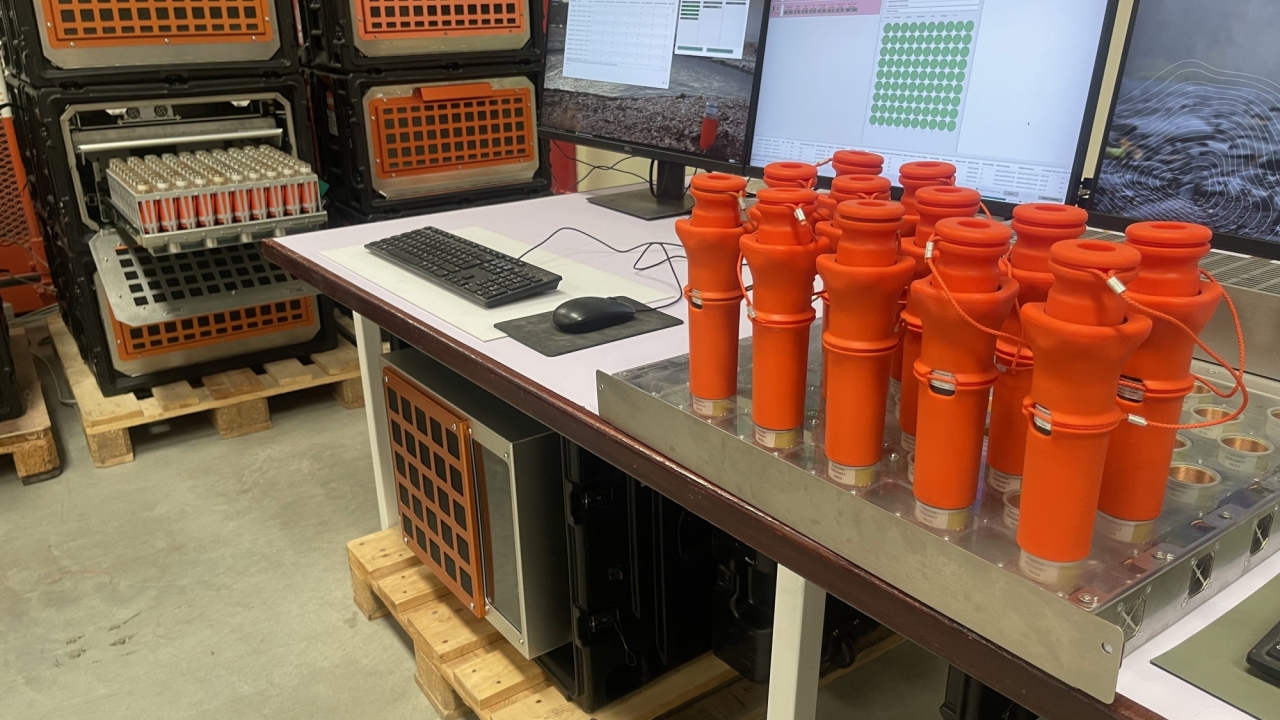
the most powerful node ecosystem available in the industry today
up to 6 charge and harvesting nests can be attached to the system
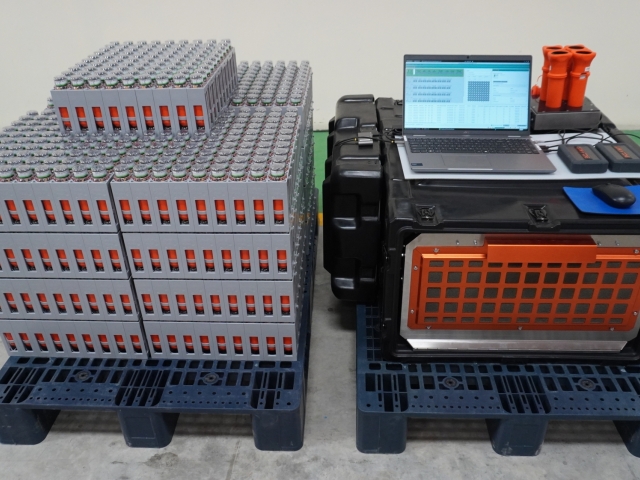
allowing 3,240 nodes to be charged and harvested in 24 hours
with only 1 operator required for node recording operations

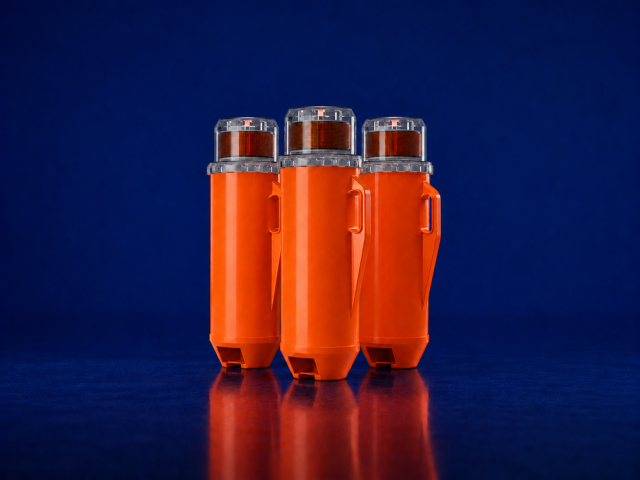
STRYDE offers the world’s smallest nodal seismic recording instruments. Supplied in multiples of 90 units.
Discover our nodal technology
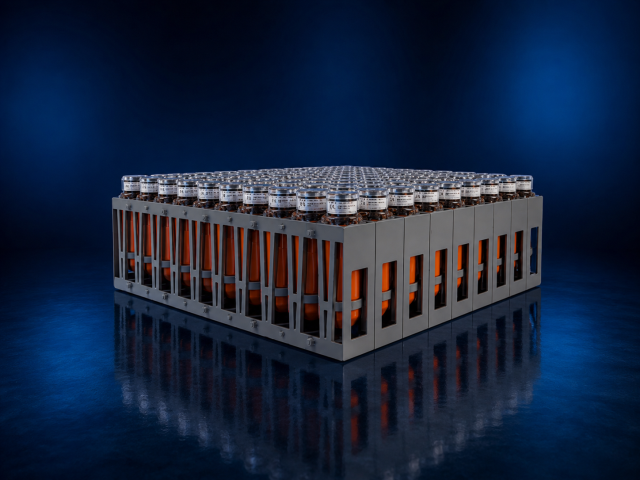
Modular plastic storage carriers designed to hold up to 10 STRYDE nodes each. The carriers can be clipped together to form a 90-node tray, supporting efficient storage, transportation, handling, charging, and data harvesting workflows.
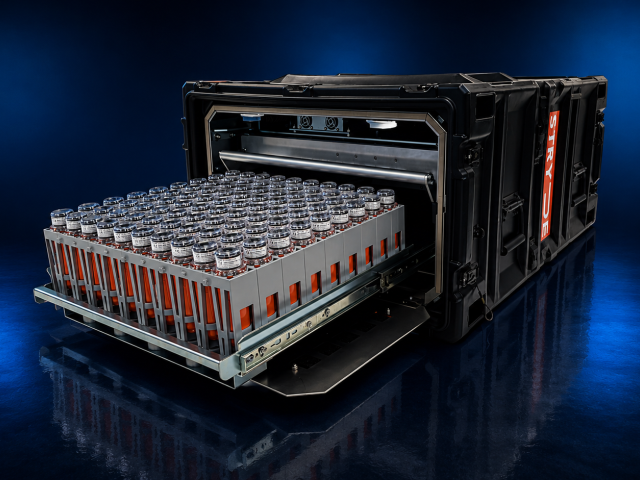
Portable flight case containing hardware to simultaneously charge and harvest up to 540 STRYDE nodes, per Nest in 24 hours, allowing survey teams to work more efficiently than ever before. Up to six Nests can be used to rotate 3,240 nodes in 24 hours.
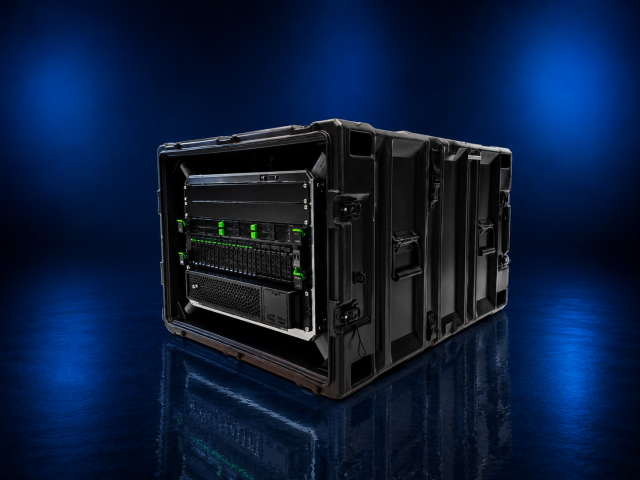
Portable flight case containing workstation, server and data storage required for channel counts of up to 30,000 STRYDE nodes. Includes monitors, keyboard, and mouse.
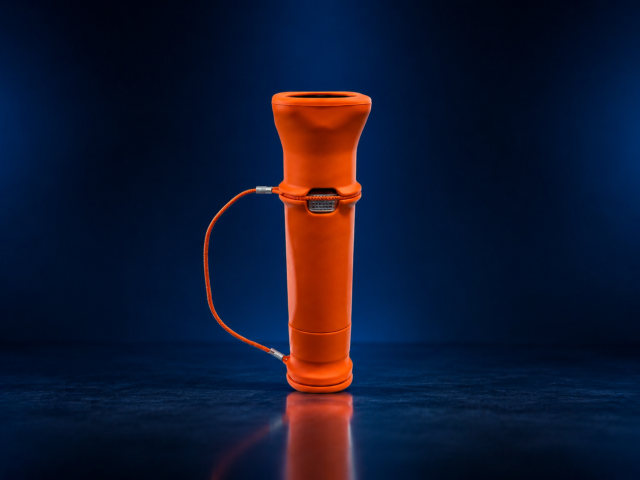
A handheld communications device that links field crews to STRYDE nodes via the Navigator App, enabling faster, more accurate deployment and retrieval operations.
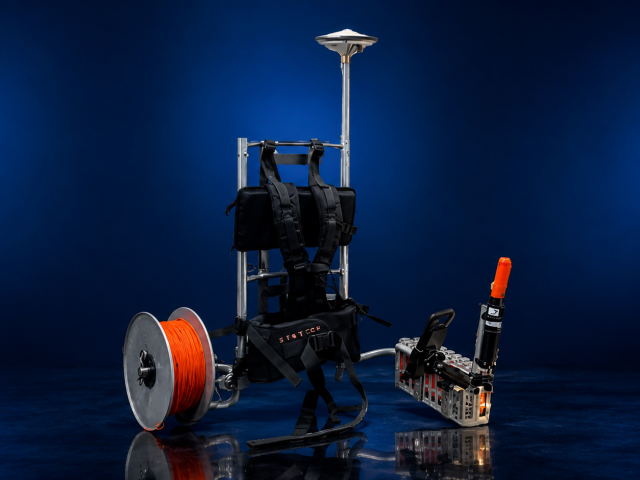
An ergonomic aluminium-framed deployment backpack that enables hands-free field operations by foot, carrying up to 90 nodes in Magazine Strips, plus the Initialisation Device, Navigator Tablet, and optional Rope Spool and external GNSS antenna mount.
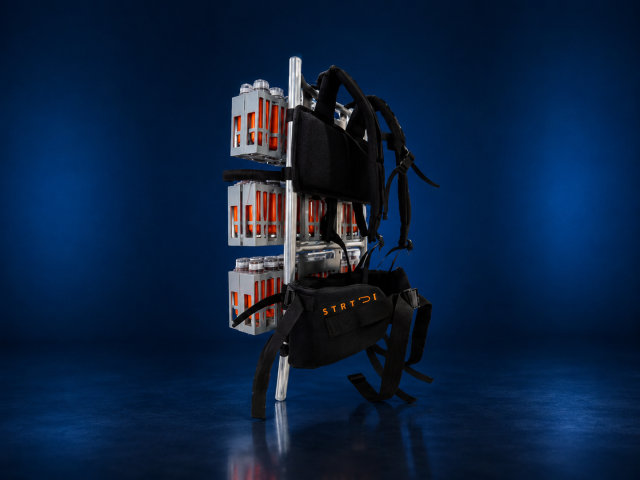
An aluminium-framed backpack designed for ergonomic transportation of STRYDE nodes on foot, carrying up to 60 nodes in Magazine Strips for efficient field replenishment.
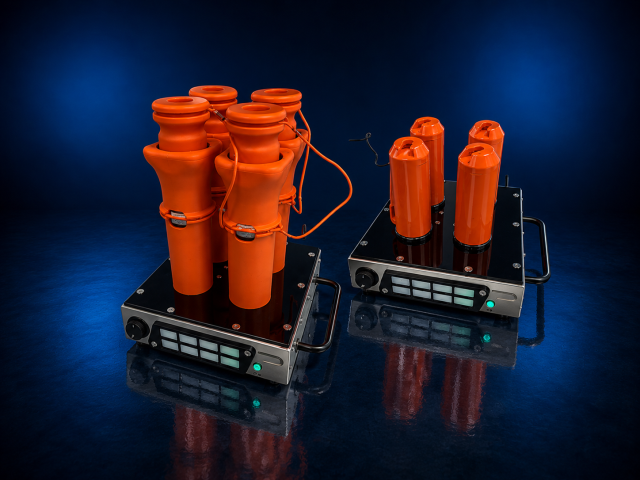
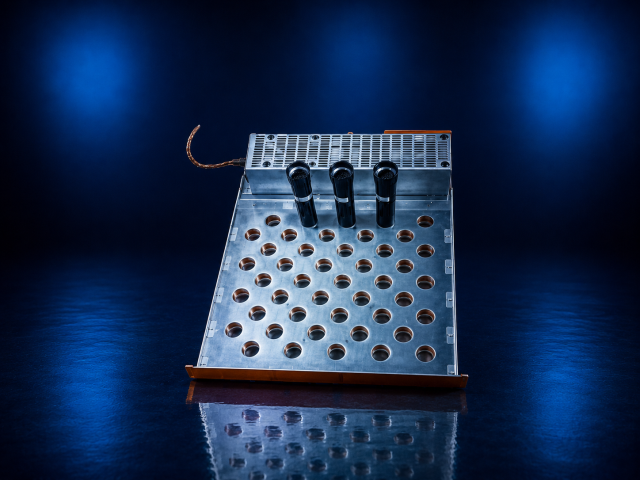
The Micro Nest is a lightweight and portable device that makes Initialisation Device (ID) charging convenient and easy for STRYDE users. Up to four ID’s/nodes can be charged on the Micro Nest.
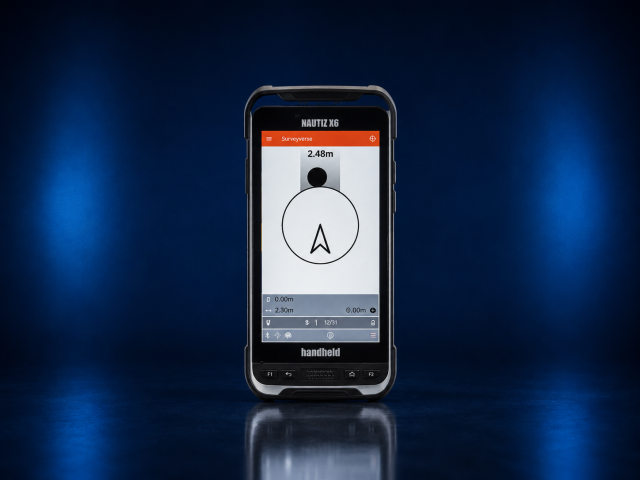
A rugged handheld field positioning system that enables crews to accurately deploy, locate, and retrieve STRYDE nodes in the field.
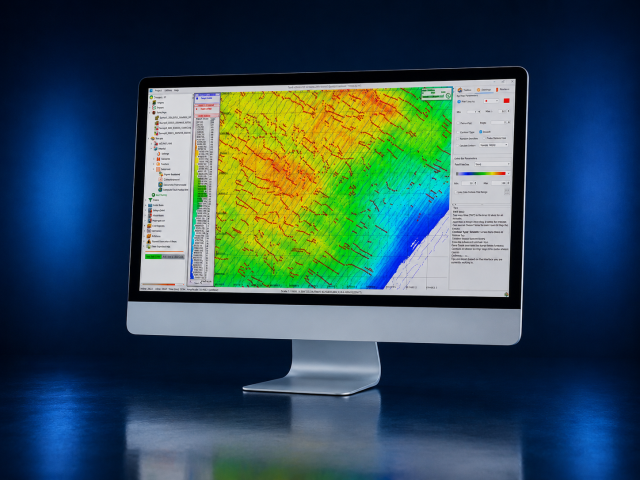
Purpose-built seismic field planning and QC software that streamlines survey design, field operations planning and QC, providing quality assurance from node deployment through to data delivery.
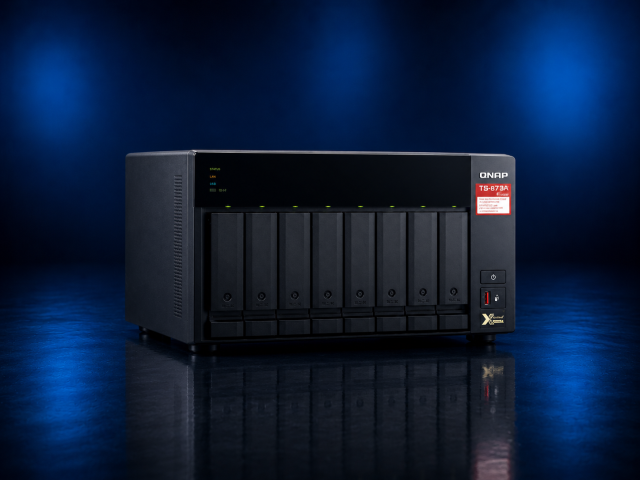
Watch our Product Manager, Tom O'Toole, talk through the capabilities of our Nimble System™ below...

Developed by seismic field-experts for seismic field-experts, SurveyQC and SeismicQC are industry-leading software solutions designed for seamless planning, efficient management, and rigorous quality control of onshore 2D and 3D nodal seismic surveys.
With a central focus on usability, scalability, and integration, it enables:


Reduced CAPEX and OPEX costs on receiver equipment and survey operations, enabled by small, lightweight, and low-cost receiver technology.

STRYDE allows users to achieve a significantly greater trace density for any given budget, leading to a significant uplift in seismic image quality.

Environmentally damaging line clearing is eliminated, since equipment can be hand carried. You also need far fewer vehicles, reducing CO2 emissions and land disruption.

The lightweight design of the nodes means you need smaller crews, fewer vehicles, and less line clearing which minimises exposure to HSE risk.
Learn more →

Learn more →