Better seismic, for less.
Ultra lightweight nodes, high-capacity charging and download hardware, and batch node handling solutions are key to eliminating the main bottlenecks that limit land seismic survey size, density and efficiency.
In land seismic surveys, operational speed hinges largely on throughput - how quickly and efficiently nodes move through the seismic production cycle (charging, programming, deploying, retrieving, and harvesting).
By choosing a nodal acquisition system equipped with compact, yet high-capacity charge and download hardware designed for bulk-handling of large batches of nodes at a time, it is now possible to scale your system effectively and remove the operational constraints that typically limit survey efficiency.
This enables your crew to scale survey coverage, increase data density, and achieve higher-resolution subsurface imaging, all without significantly increasing costs, crew size, or time in the field.

Other nodal systems rely on low-capacity node handling ecosystems that create operational inefficiencies and limit the ability to scale node counts effectively. Higher costs per channel, driven by both the node price and inefficient download infrastructure also limits total channel counts when using other nodal systems, constraining survey designs and leading to suboptimal imaging results.
Low-capacity seismic systems require extensive manpower and logistical support. Larger crew sizes, combined with heavier and more volume of equipment, drive the need for expanded camps and vehicle fleets. This increases operational complexity, raises equipment and personnel costs, and elevates HSE risks in the field.
Inefficient manual workflows and low-capacity node handling systems create major barriers to rapid survey turnaround. Without high-capacity charging and harvesting hardware, project timelines expand, with more people and hardware needed in camp to achieve the required throughput. All of this means more cost, complexity and slower operations.
Inefficient field and camp operations associated with other nodal systems require larger camps to house extensive recording departments. In contrast, high-capacity, high-throughput systems like STRYDE’s dramatically reduce crew size and support requirements, delivering the most cost-effective land seismic solution on the market - and the only viable choice for operations in remote, rugged, or environmentally sensitive environments.
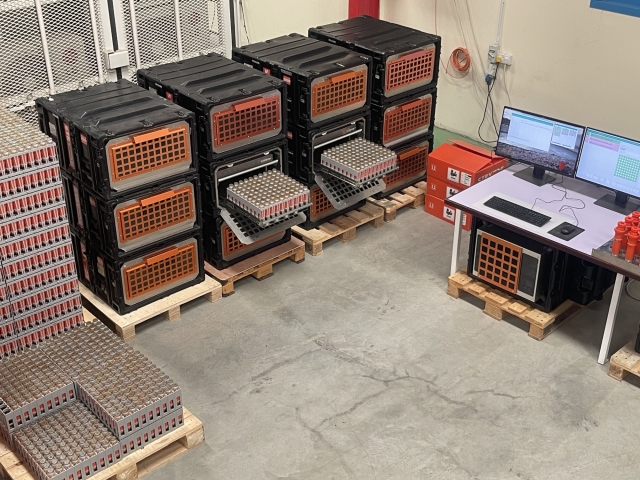
STRYDE’s modular charging and harvesting racks deliver unmatched scalability with a compact footprint. From 500 nodes to 40,000, the system flexes effortlessly to project size - maintaining efficiency, speed, and safety. Its compact design enables large-scale operations without expanding your camp footprint, reducing logistical overhead while boosting throughput.
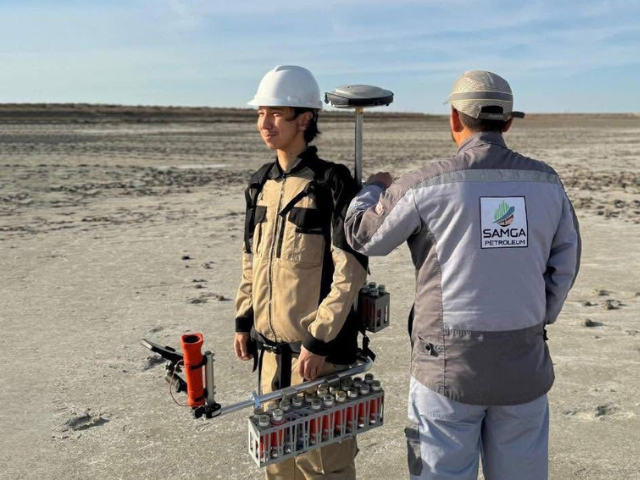
STRYDE’s lightweight backpacks, each carrying up to 90 nodes, empower small teams to deploy faster and cover more ground. Backpack mounted navigation and initialization devices enable quick hands-free operations, minimizing setup time and vehicle use. The result: faster surveys, reduced crew size, and greater mobility - even in rugged or remote terrain.
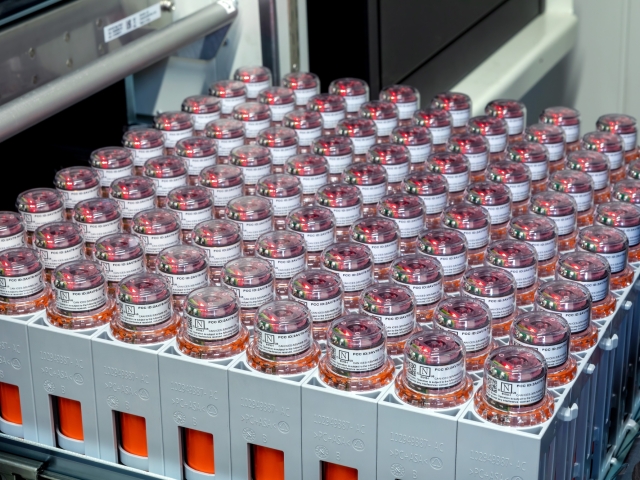
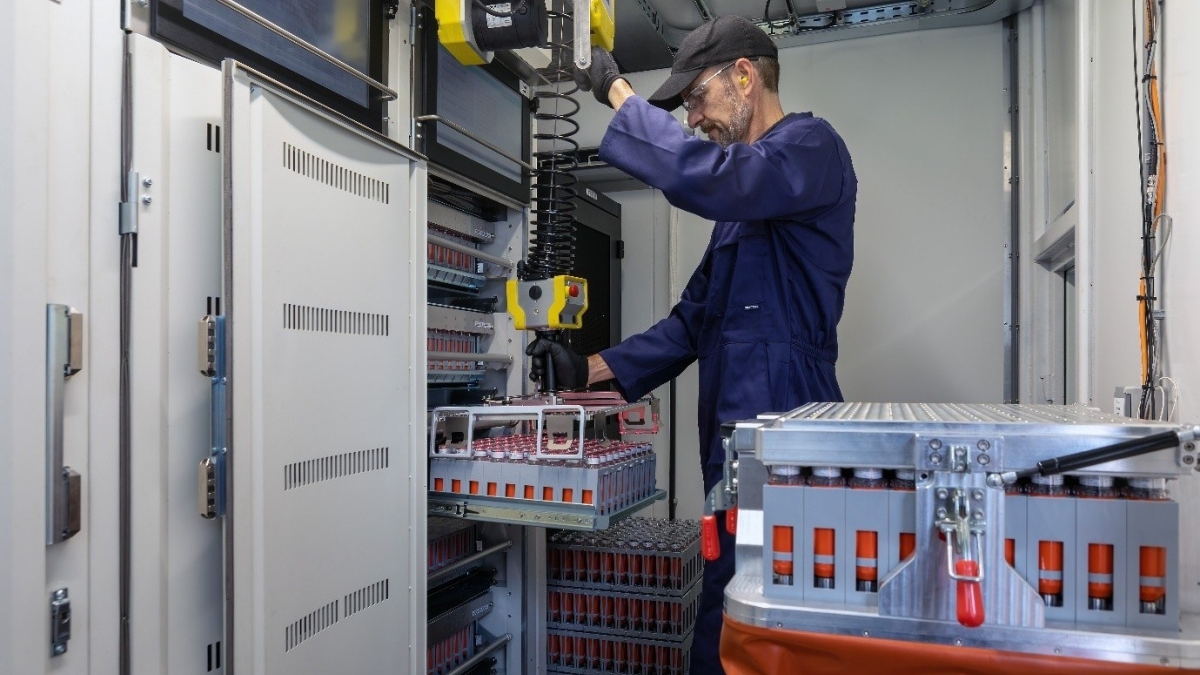
STRYDE eliminates the inefficiencies of node charging and data harvesting through its high-capacity racks. Modular charging and harvesting hardware manages 90 nodes per unit via an optical data link and wireless inductive charging. No individual handling or manual connection of nodes is required. Purpose-built node lifting and transfer devices ensure ergonomic and efficient node handling in bulk, reducing strain on crew and maximizing throughput per headcount.
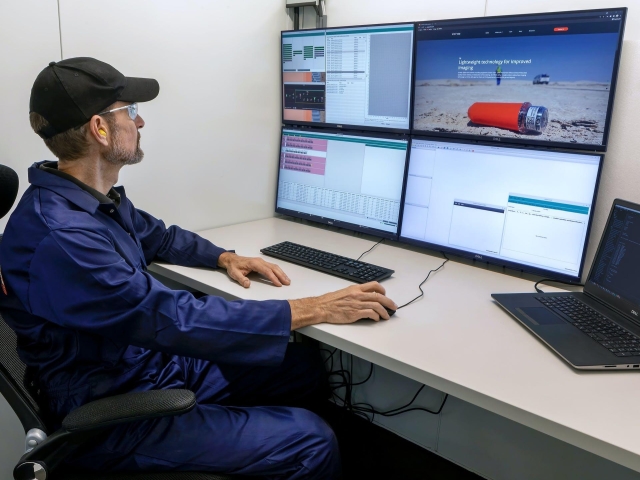
STRYDE’s high-capacity system is powered by automation at every stage. From software-driven workflows to an integrated architectural design, every element is engineered to streamline processes and enable large-scale, repeatable efficiency. The system’s software acts as the “grease in the wheels” allowing you to scale effortlessly without adding complexity.
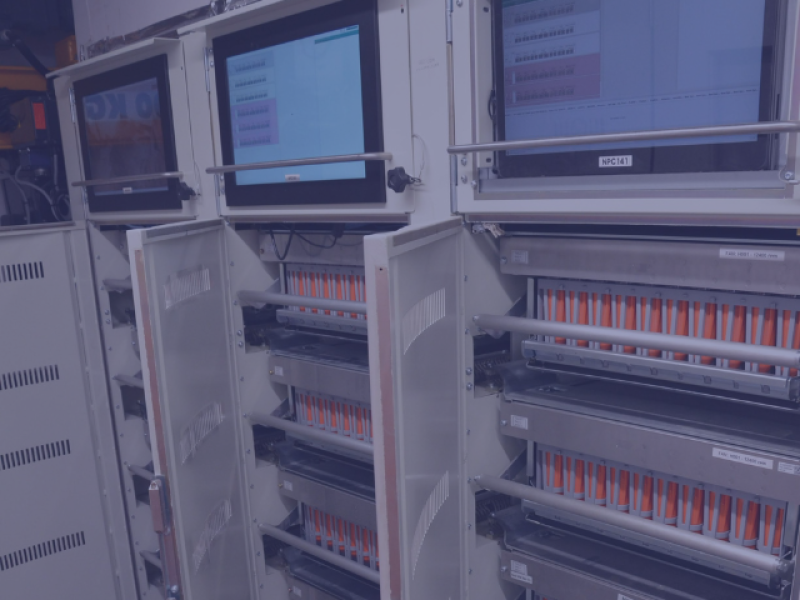
as many nodes can be charged and harvested per rack with STRYDE
Benchmarking against two other land seismic nodal acquisition systems, STRYDE's high-capacity charging and download racks deliver substantially higher node throughput, enabling faster and leaner camp operations.
While other systems require handling of individual nodes or use low-capacity trays containing up to 12 nodes, STRYDE’s system is built around trays of 90 nodes. Each tray slides directly into STRYDE’s harvesting module for simultaneous charging and data offload. Up to six trays can fit in a single module, delivering industry leading capacity and efficiency, with minimal manual handling effort.
When ready for redeployment, node trays are quickly removed from the harvesting racks and loaded into light vehicles used by the line crew. Once teams are on location, the trays are split into smaller strips of nodes and clipped onto STRYDE’s deployment backpacks. This allows small self-supporting field teams to deploy large amounts of nodes quickly. This seamless clip-on workflow minimizes handling, speeds up turnaround, and enables unmatched node throughput in the field, even when vehicle access is impossible.
Built for scale. Designed for speed. Engineered for efficiency.
A low-cost, agile, and highly portable system, which can handle up to 30,000 nodes, with the ability to rotate up to 3,240 nodes per day with just one recording operator.
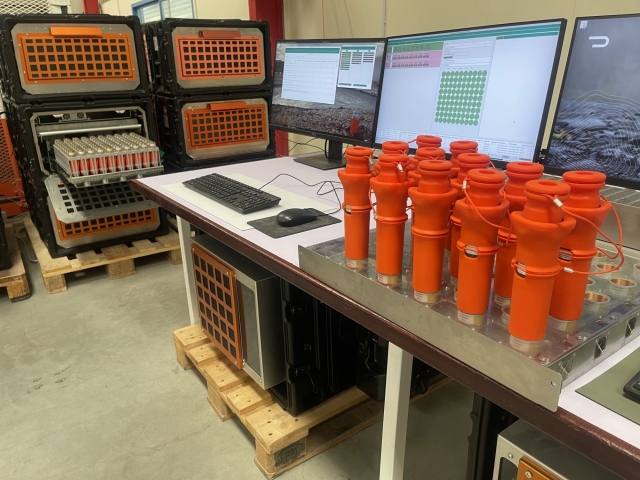
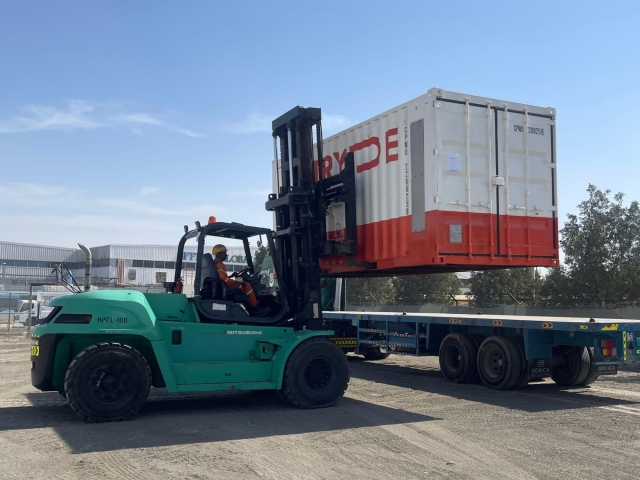
A customizable containerized seismic system designed to manage up to one million nodes, with the ability to rotate up to 40,000 nodes per day with a very small recording crew.