
Highlights from seven Halo field pilots, from desert to jungle to open prairie
The pilots described below validated Halo's technical and operational performance in live production environments. Halo's evolved piezoelectric sensor — broader bandwidth, lower noise, higher sensitivity — delivers better seismic data without changing the field and camp workflows proven across previous STRYDE generations. All pilots exercised Halo's wireless communications option for node health monitoring, and where projects ran side-by-side with STRYDE's established Range+ node, crews matched its efficiency from day one.
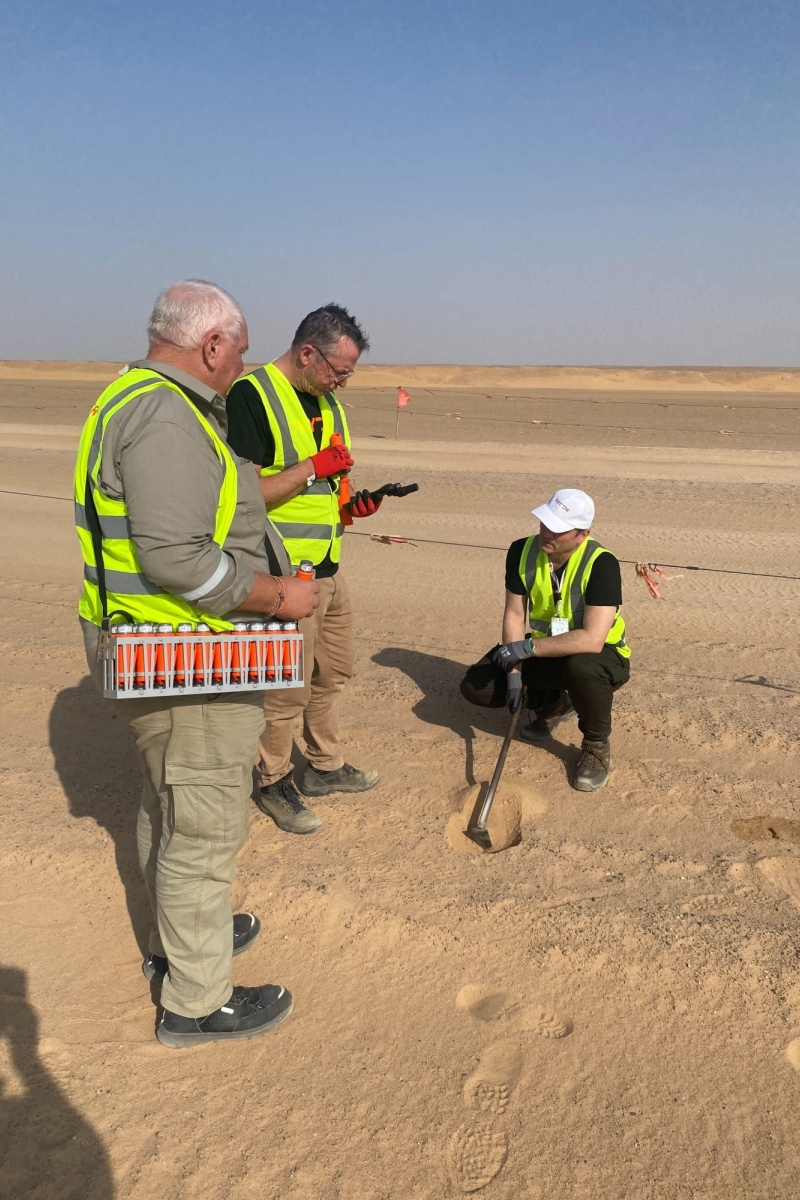
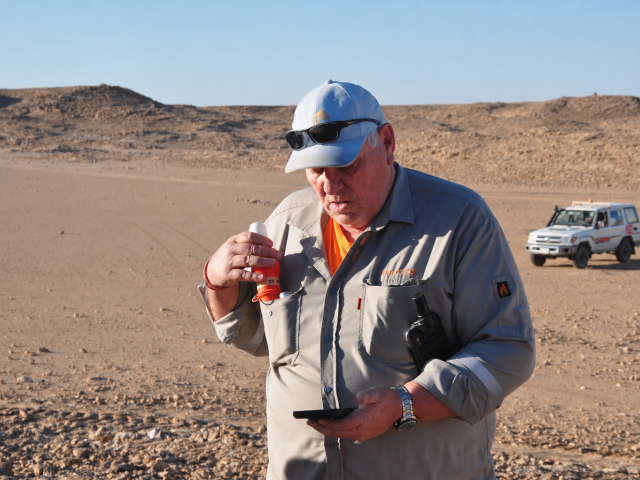
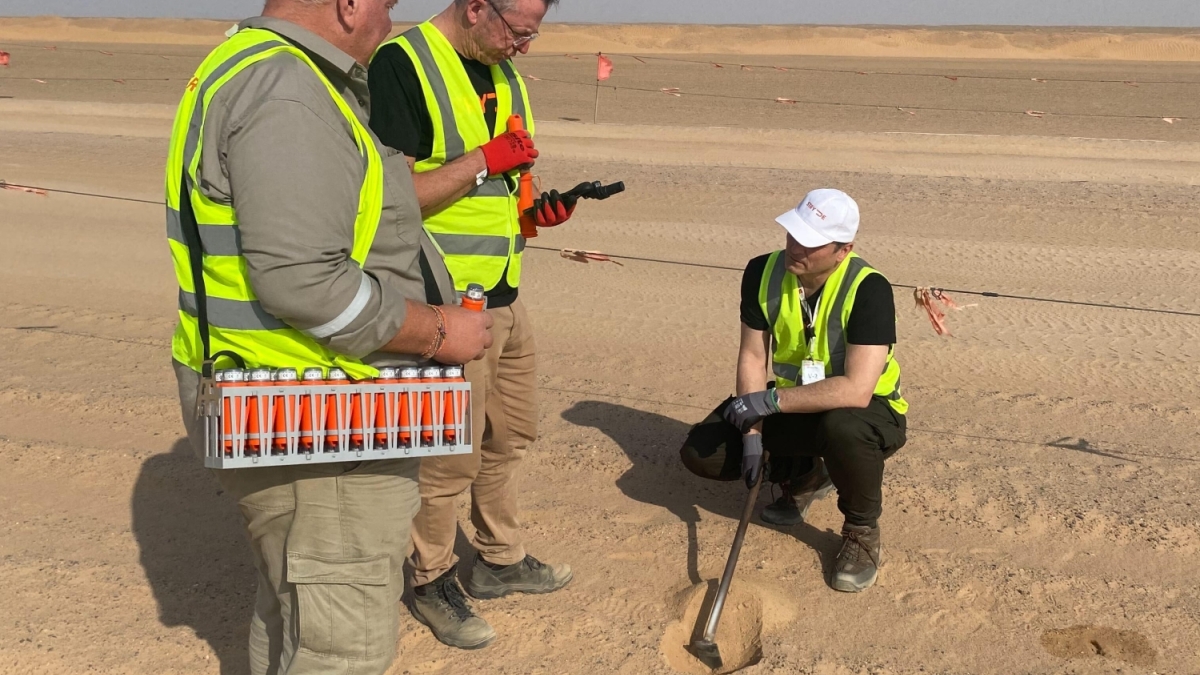
Working across gravel plains, dunes and rocky outcrops with vibroseis sources running low-frequency sweeps, these pilots put Halo through full production workflows — deployment, QC data collection and retrieval — with up to 180,000 VPs recorded per node.
Field teams collected node health data wirelessly from fully buried nodes at a range of up to 50 m, using vehicles driving off-road at up to 20 km/h and on foot. Side-by-side performance benchmarking against Range+ showed Halo matched its industry-leading field and camp efficiency while delivering measurably improved low-frequency response.
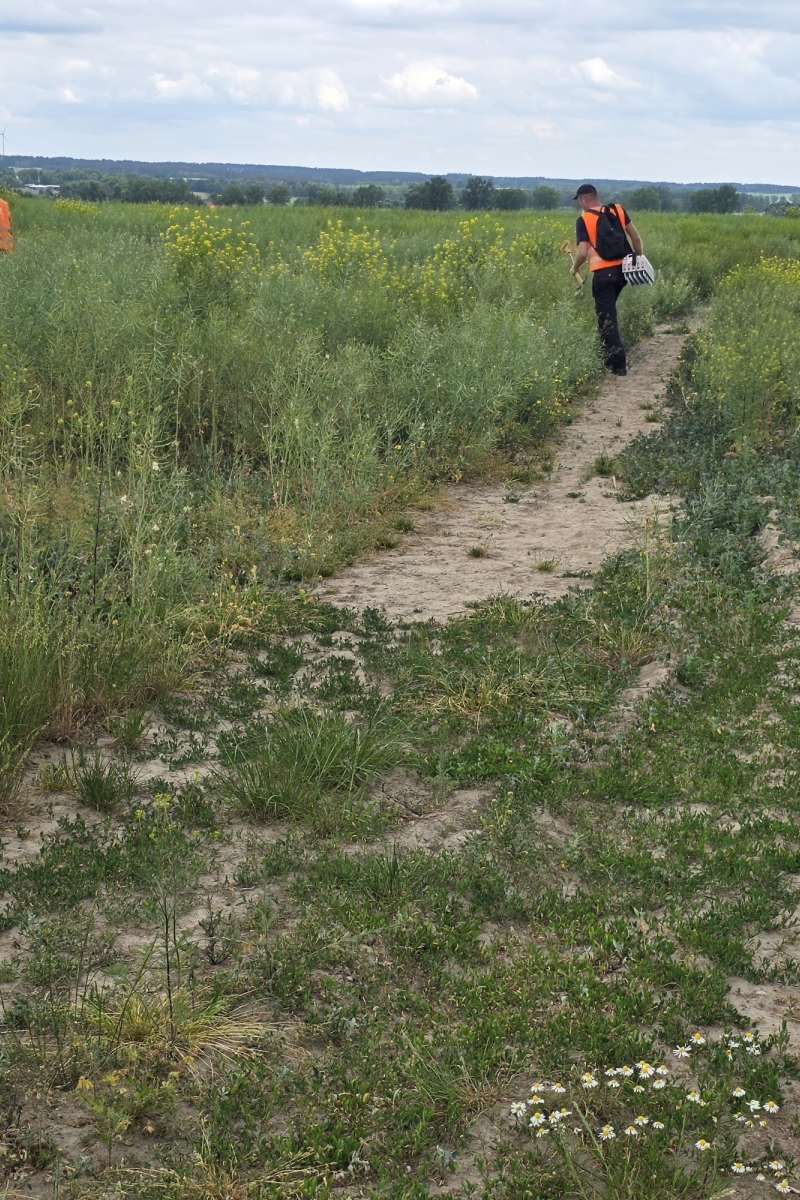
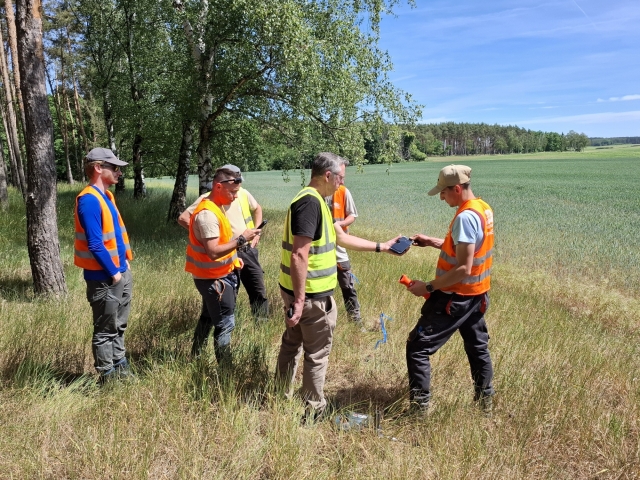
Deployed alongside another nodal receiver system on a live vibroseis project, this pilot put Halo through repeated deployment cycles across fields, forests and villages, validating data quality and operational performance in each environment.
Field teams collected node health data on foot and by vehicle, and used it to locate and recover a stolen node.
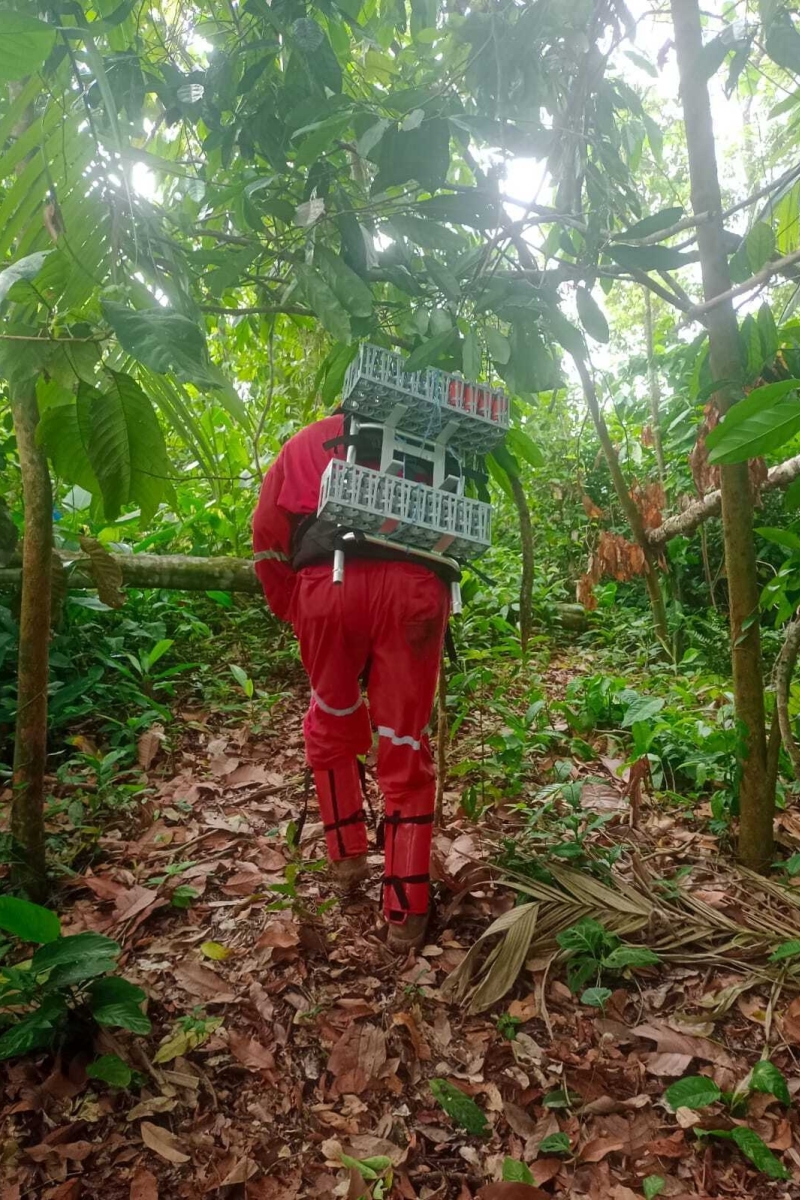
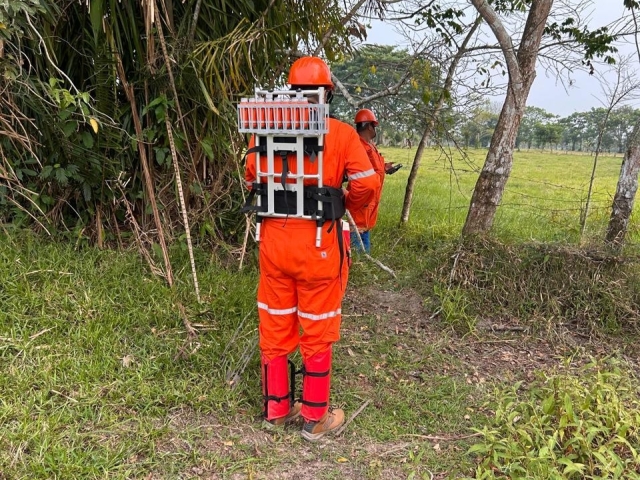
Working in dense jungle and wetland areas, Halo layout teams deployed 3.5 times as many nodes on day one as the survey's production nodal system, with comparable headcount. Small line-checking teams collected node health data regularly during dynamite production by walking and driving the line, and trialled collection via lightweight drone.
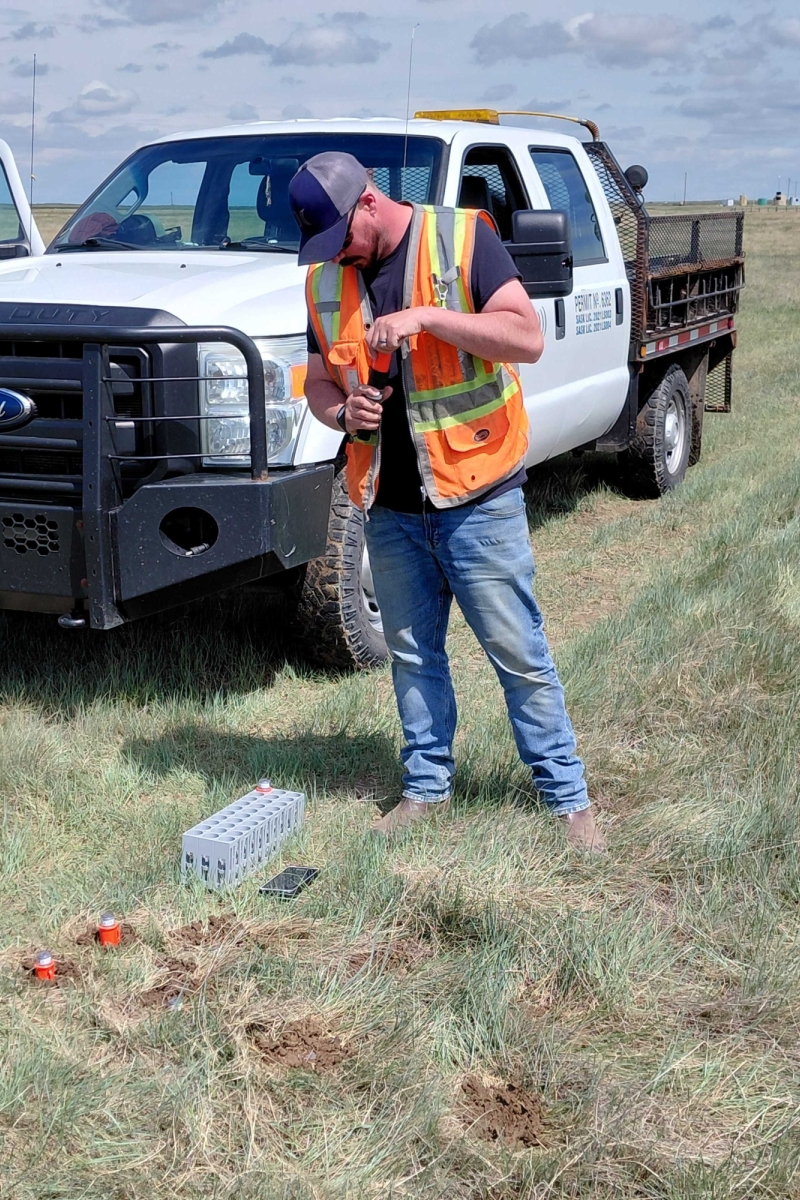
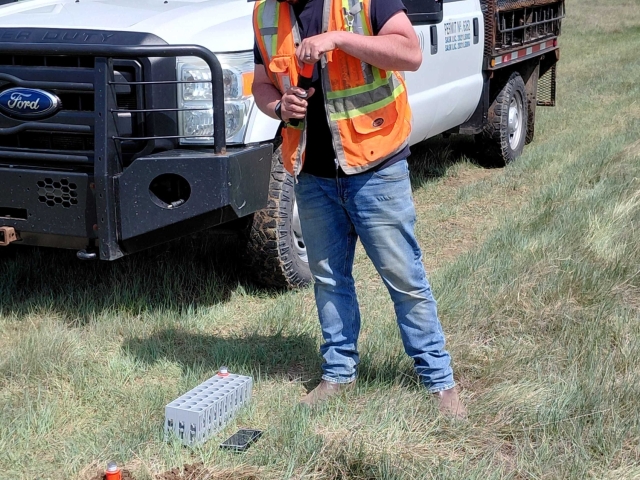
Deployed alongside other nodal receivers on open prairie, this pilot recorded weight-drop, vibratory and explosive sources side-by-side, benchmarking Halo's operational performance and data quality across all three.
Testing extended to lightweight and heavyweight drones for node health data collection across long spreads.