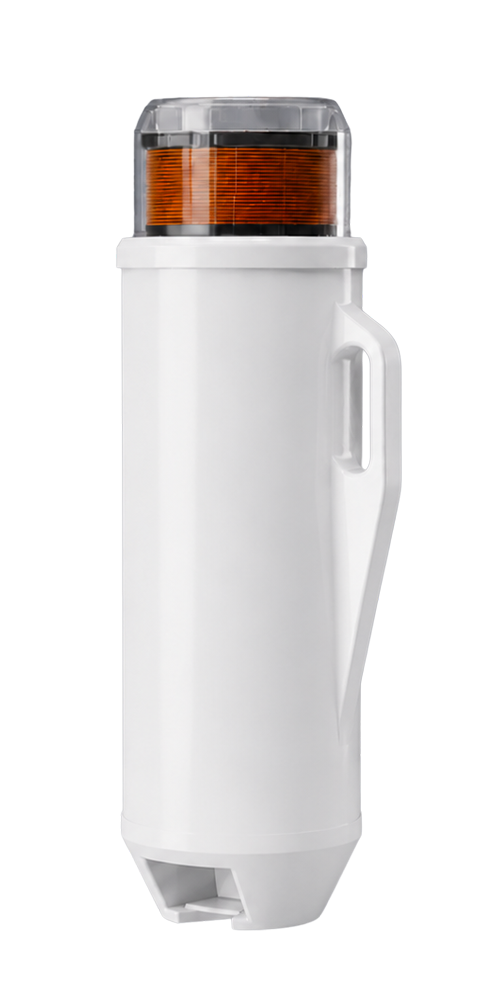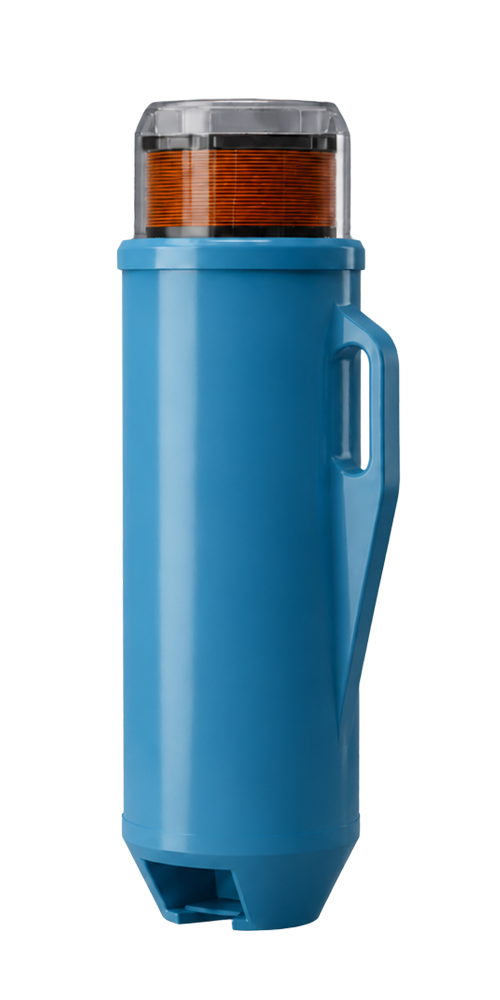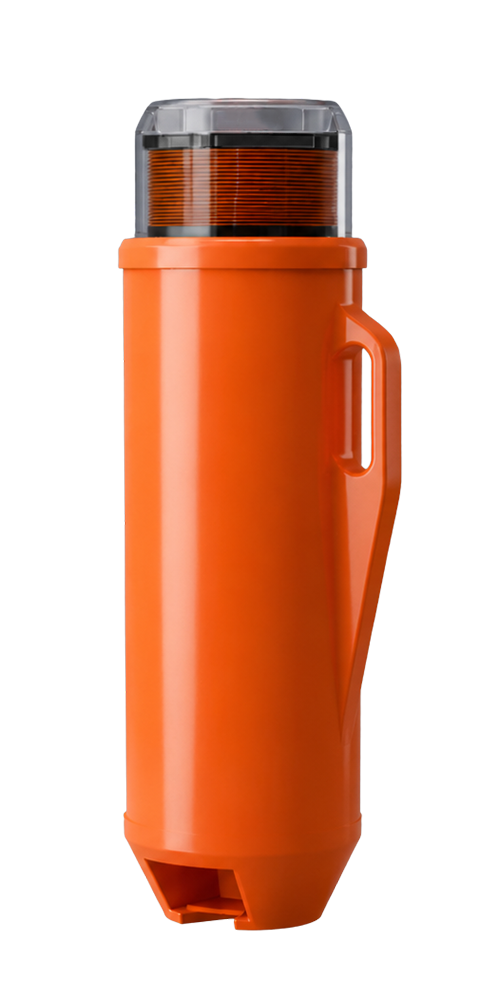
Still the world's smallest and most affordable node
- 183gweight
- 12.9cmheight
- 4.1cmwidth
No external connectors. Same trusted STRYDE ecosystem.

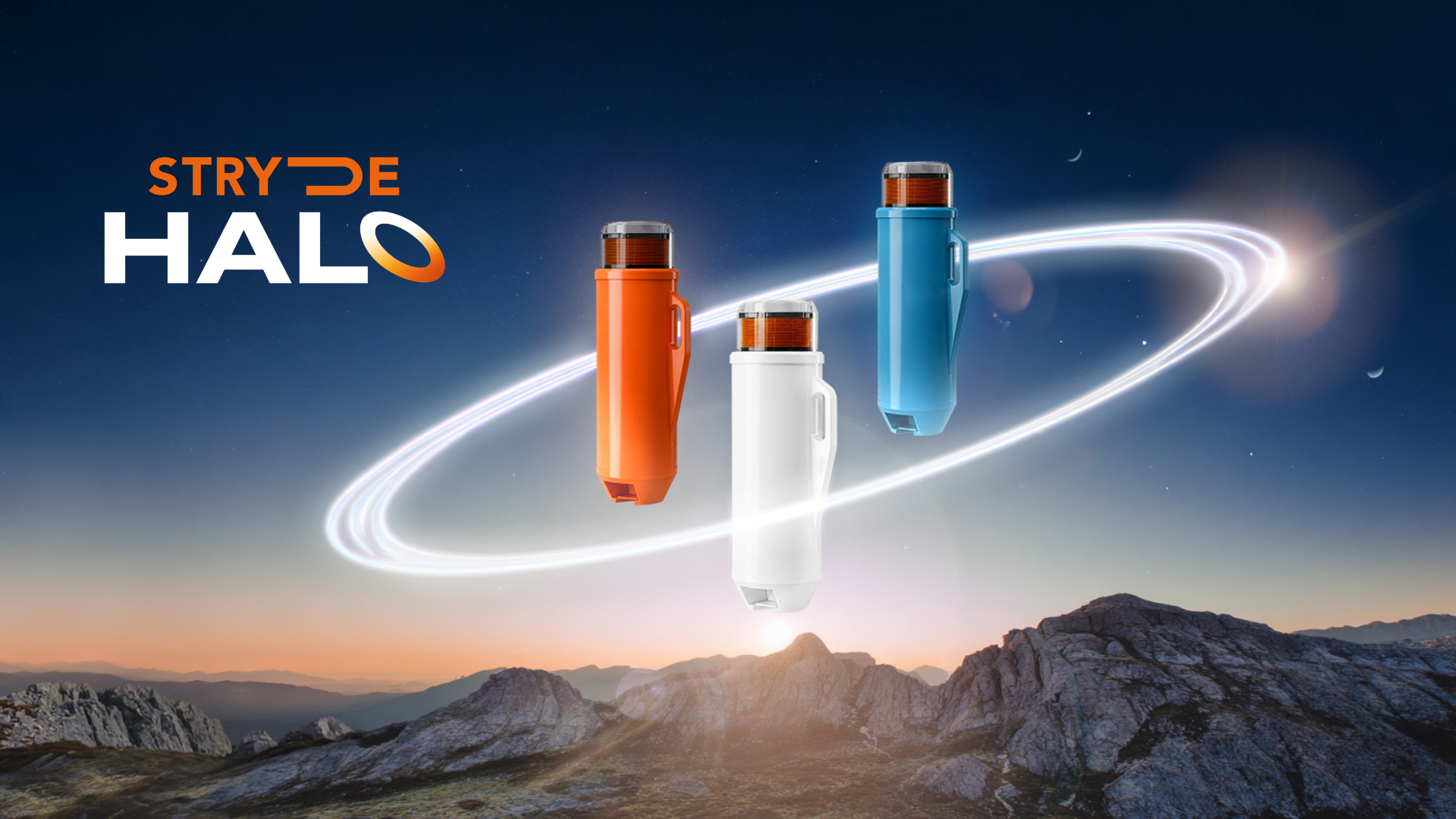
Introducing Halo
STRYDE's Halo family of nodes represents the next leap forward in land seismic recording, combining an evolution of the piezoelectric sensor with enhanced electronics and next-generation firmware, to deliver the lowest-noise accelerometer for onshore seismic acquisition without compromising on node size, cost or autonomy.
The Halo family includes three purpose-built node types that work seamlessly together within a single acquisition system, delivering the flexibility, scalability, and operational efficiency required for modern high-density onshore seismic surveys.
No external connectors. Same trusted STRYDE ecosystem.
For node health QC, range-finding to nodes during retrieval, and optional data streaming
0.5–200 Hz
Mix Halo nodes to suit your needs, fully compatible with existing STRYDE equipment
50+ days, even with wireless QC enabled
Hear more

Compact and lightweight at just 129 × 41 mm and 183 g, the Halo nodes can be easily buried for optimal coupling, improved data quality, greater discretion, and unrestricted source operations.
Halo Connect and Chrono+ include integrated radio communications to enable wireless real-time node health QC, range-finding to nodes during retrieval, and optional data streaming, giving crews greater visibility and control throughout field operations.
Evolved piezoelectric accelerometer and electronics deliver extended bandwidth (0.5–200 Hz), higher sensitivity and lower noise, enabling clearer, higher-fidelity seismic data.
50+ days of continuous recording with wireless QC enabled delivers node health visibility without sacrificing operational autonomy.
One hour of simultaneous charging and data harvesting for every ten days of recording helps accelerate turnaround, reduce equipment handling, and keep large-scale seismic operations moving efficiently.
Backward compatibility with existing harvesting systems allows existing STRYDE crews to adopt the latest node technology without changing established field procedures, camp workflows, or peripheral equipment.
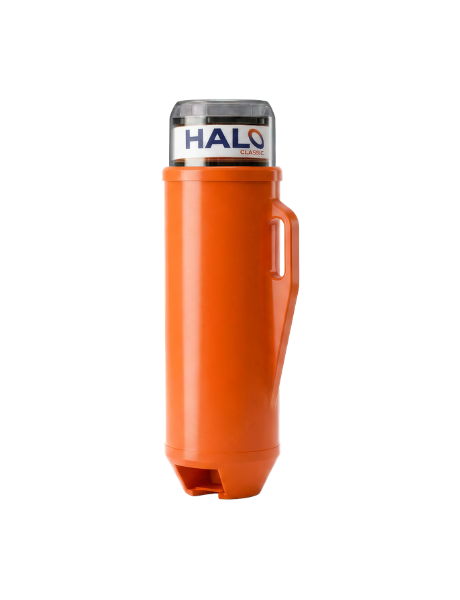

Fully autonomous
Ultra-low-cost
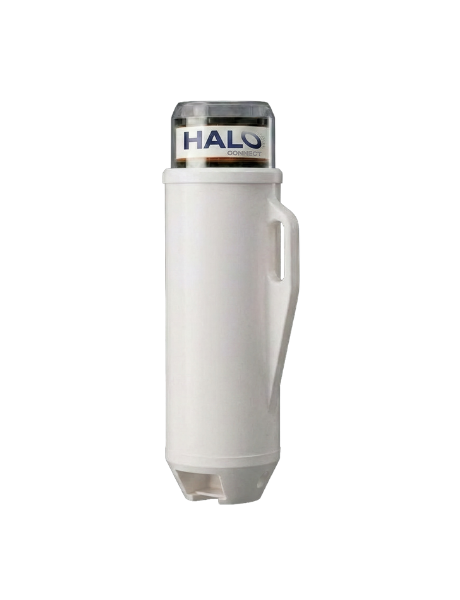
In-field wireless node QC
50 days continuous recording with QC enabled
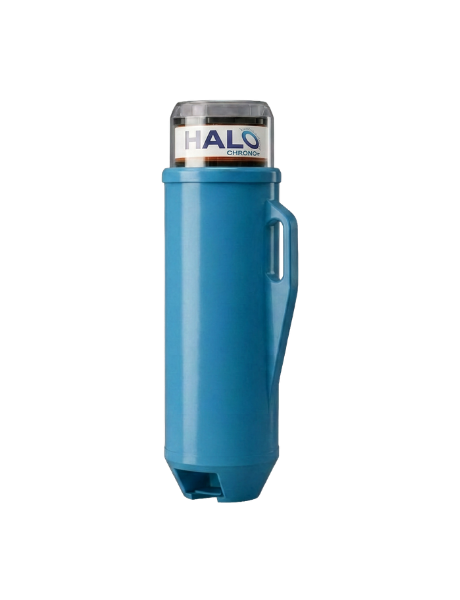
Built for GNSS-challenged environments
In-field wireless node QC
Integrated field hardware and software that streamline node deployment, in-field node health QC, ranging, optional data streaming, retrieval, and data management, helping crews reduce field time, lower logistics costs, and minimise environmental impact.
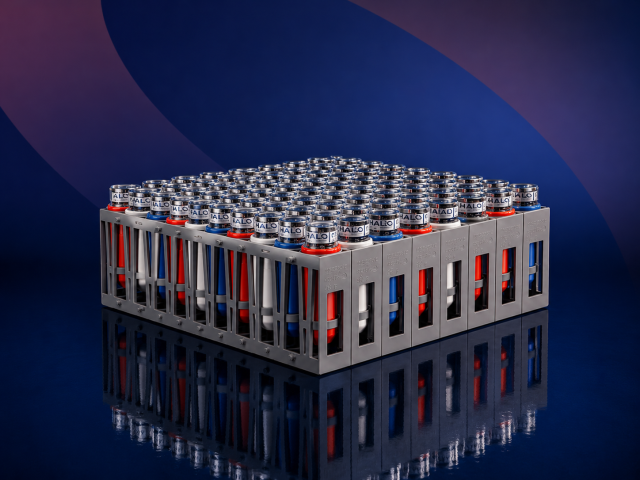
Modular plastic storage carriers designed to hold up to 10 STRYDE nodes each. The carriers can be clipped together to form a 90-node tray, supporting efficient storage, transportation, handling, charging, and data harvesting workflows.
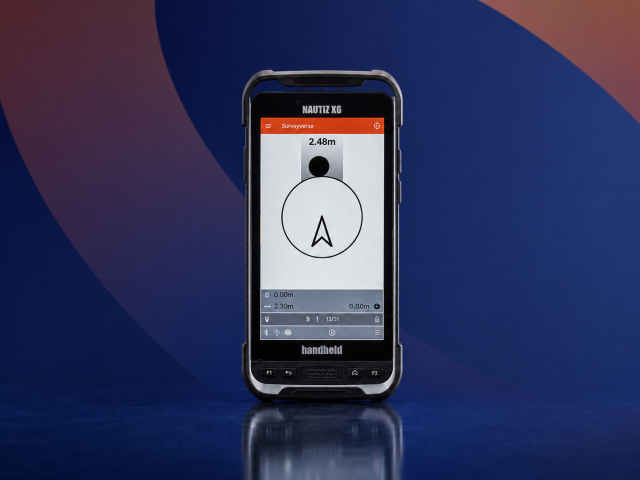
A rugged handheld field positioning system that enables crews to accurately deploy, locate, and retrieve STRYDE nodes in the field.
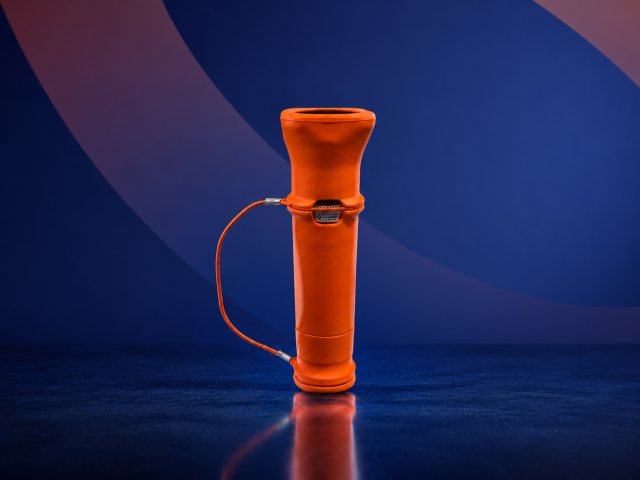
A handheld communications device that links field crews to STRYDE nodes via the Navigator App, enabling faster, more accurate deployment and retrieval operations.
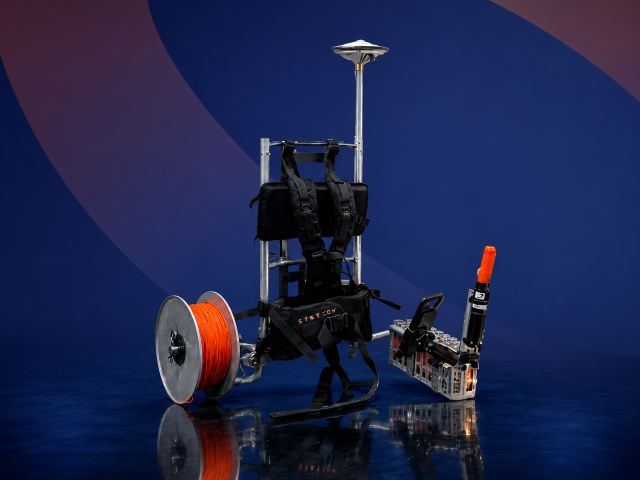
An ergonomic aluminium-framed deployment backpack that enables hands-free field operations by foot, carrying up to 90 nodes in Magazine Strips, plus the Initialisation Device, Navigator Tablet, and optional Rope Spool and external GNSS antenna mount.
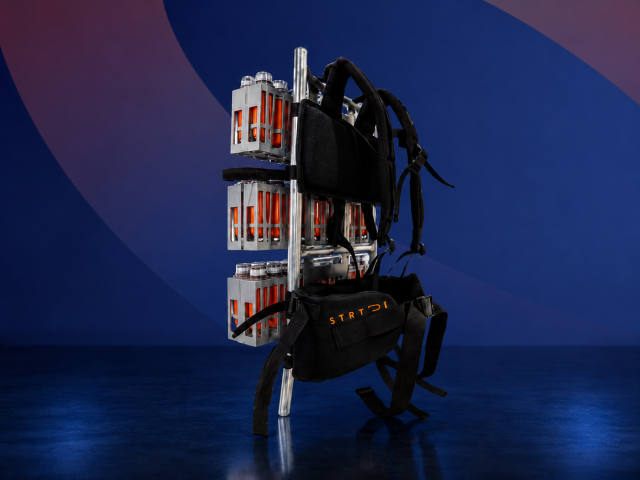
An aluminium-framed backpack designed for ergonomic transportation of STRYDE nodes on foot, carrying up to 60 nodes in Magazine Strips for efficient field replenishment.
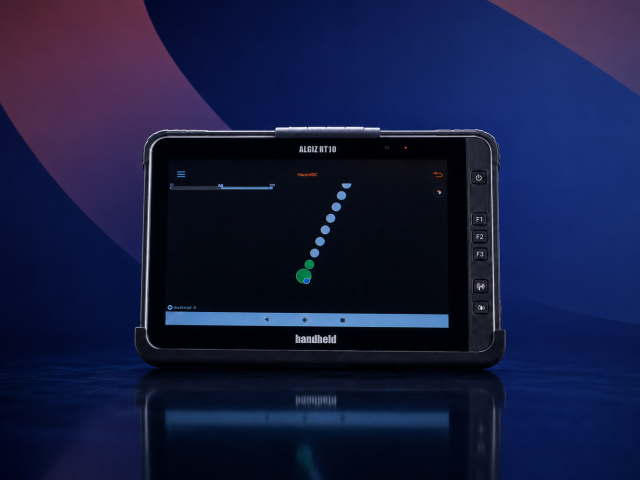
A rugged large-screen Android tablet for in-field node health QC, range-finding to nodes during retrieval, and optional data streaming. Suitable for handheld use or mounting to a vehicle for efficient data collection and line monitoring.
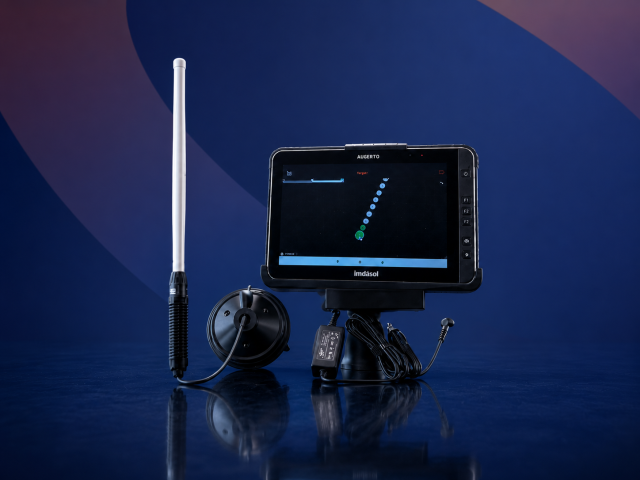
A complete vehicle kit for wireless node QC data collection, including a large-screen rugged Android tablet running STRYDE’s Node QC App, tablet dock, vehicle charger, and external antenna with cable.
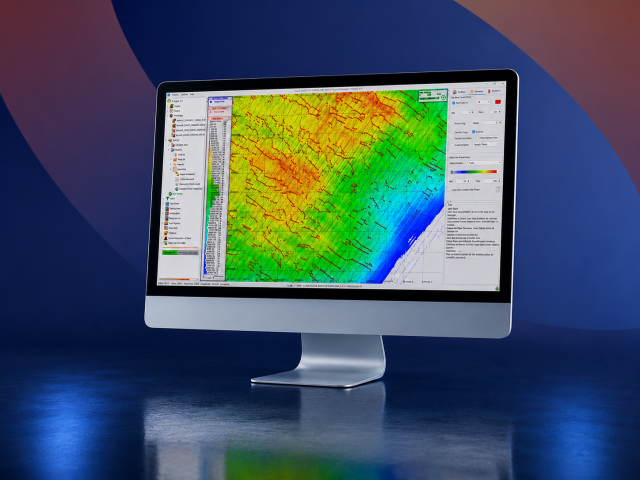
Purpose-built seismic field planning and QC software that streamlines survey design, field operations planning and QC, providing quality assurance from node deployment through to data delivery.
STRYDE Halo is proven technology for real-world seismic operations. Built on years of R&D and validated across North America, Europe, the Middle East, and Latin America, with seven field trials completed and more underway.
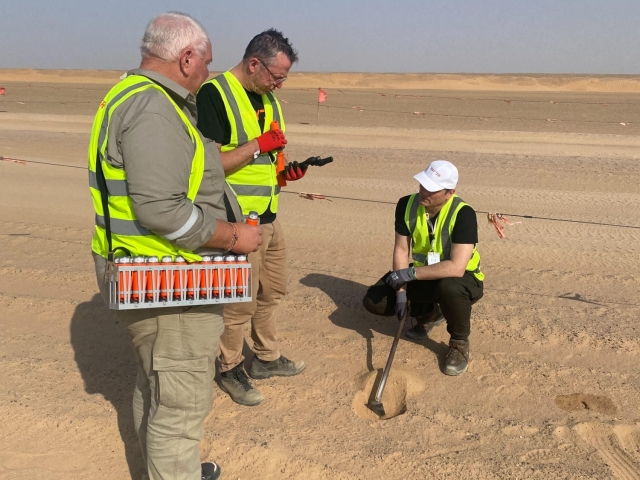
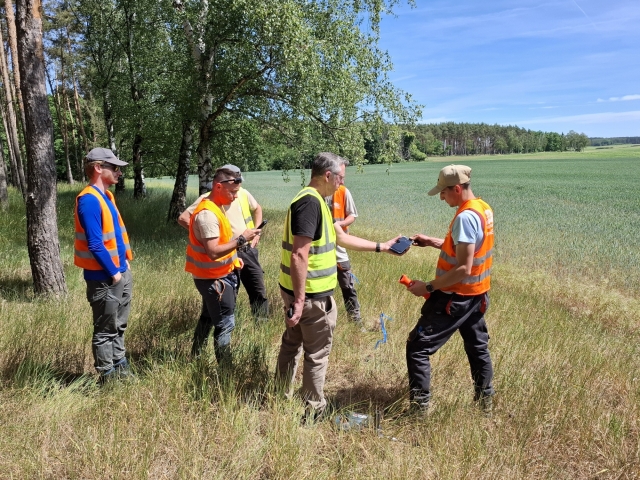
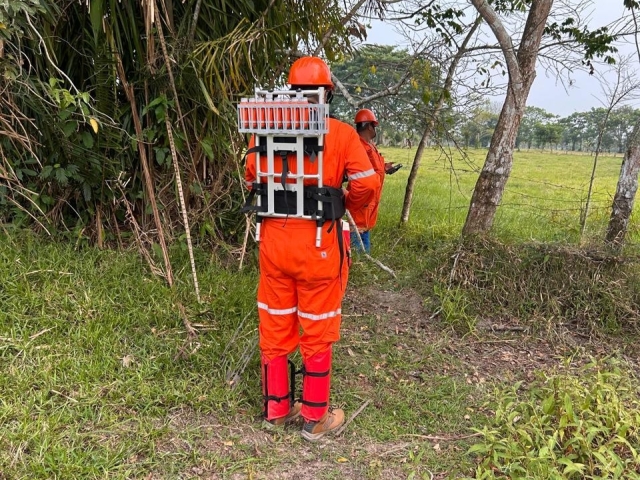
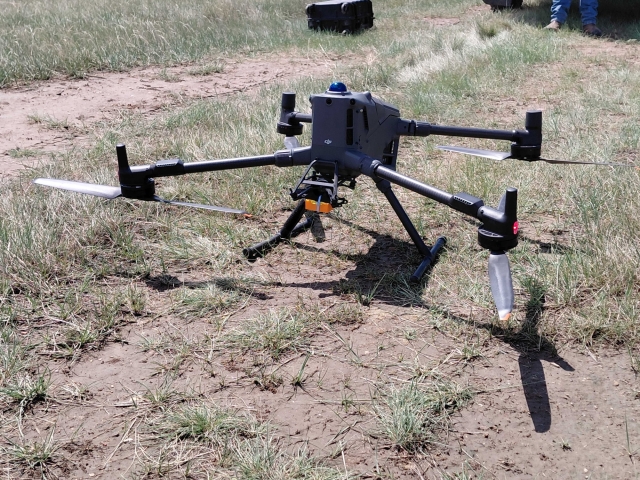
STRYDE offers three modular seismic receiver systems designed to support efficient acquisition at every survey scale.
Each system combines low-cost land seismic nodes with scalable charging and data harvesting infrastructure, enabling rapid node rotation, efficient field operations, and a lower total cost per channel.
Switch between STRYDE node types without changing your equipment. Charging, harvesting, and field peripherals are fully compatible across all STRYDE node families.
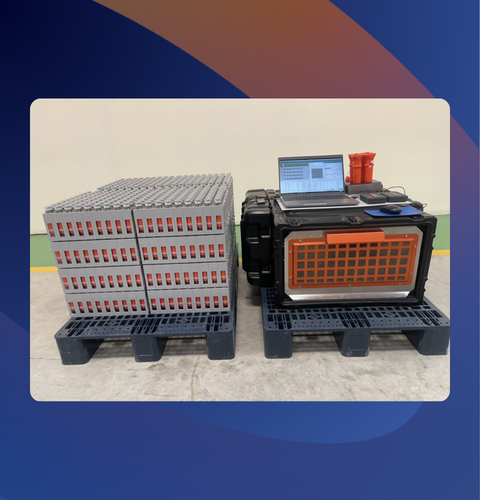
For projects requiring up to 1,500 nodes
Includes STRYDE laptop, one Nest Case for charging/download and field peripherals
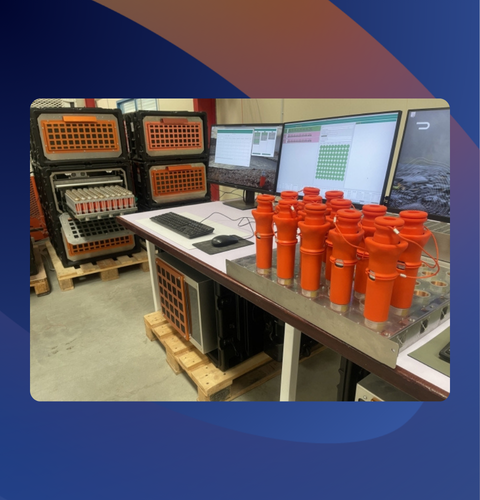
For projects requiring up to 30,000 nodes
Supports up to six Nest Cases for charging/download and field peripherals
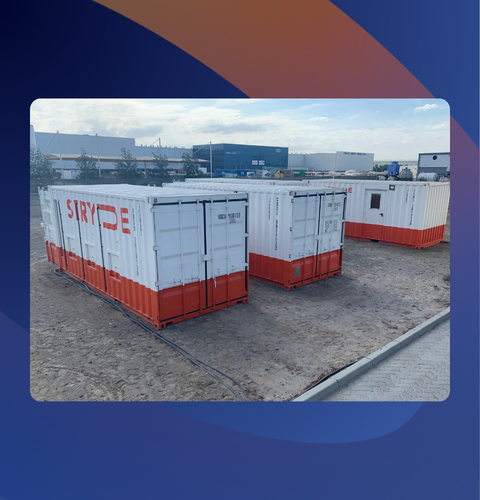
For projects requiring up to one million nodes
Purpose-built containers for node cleaning, charging/download and data management at scale
| up to 1,500 |
|---|
| 1 |
|---|
| 540 |
|---|
| No |
|---|
| Hand-portable flight case |
|---|
| Up to 30,000 |
|---|
| Up to 6 |
|---|
| 3,240 - 6,480 |
|---|
| No |
|---|
| Hand-portable flight cases |
|---|
| Up to 1,000,000 |
|---|
| Up to 36 |
|---|
| 19,440 - 38,880 |
|---|
| Yes |
|---|
| 3 x 20ft shipping container |
|---|
| The Mini | The Nimble | The Pro | |
|---|---|---|---|
| Typical channel count | up to 1,500 | Up to 30,000 | Up to 1,000,000 |
| Number of charging and harvesting Nests | 1 | Up to 6 | Up to 36 |
| Daily node rotation rate (24-hour operations) | 540 | 3,240 - 6,480 | 19,440 - 38,880 |
| Automated node cleaning | No | No | Yes |
| Mobility | Hand-portable flight case | Hand-portable flight cases | 3 x 20ft shipping container |