
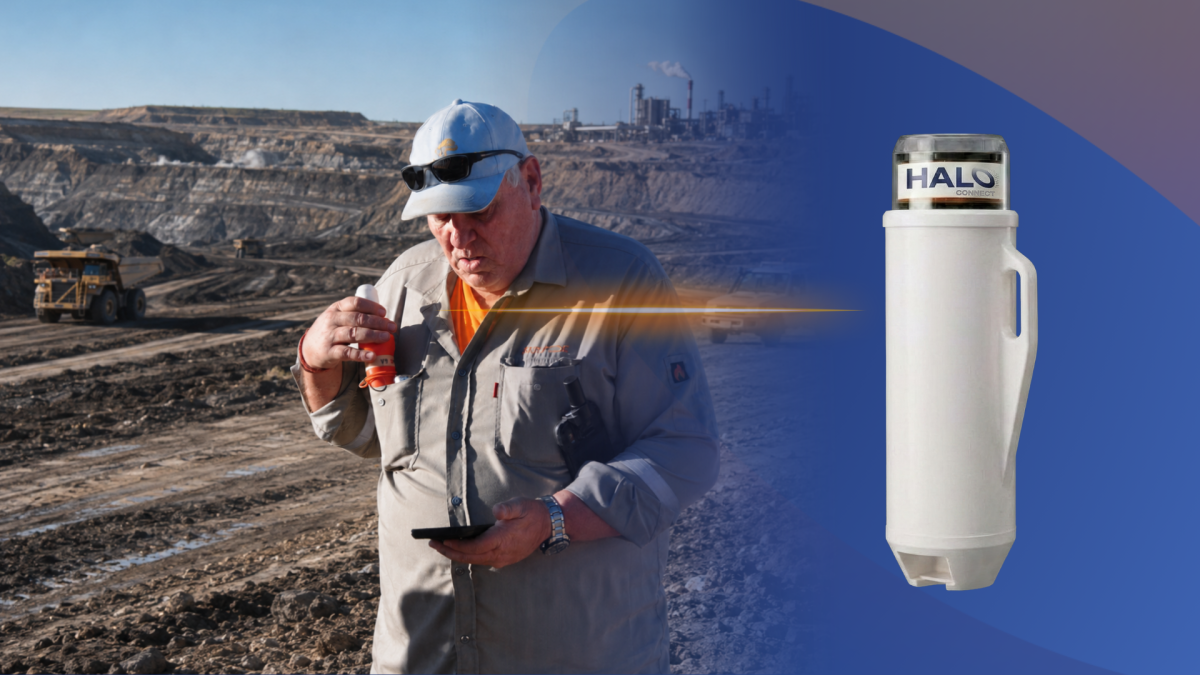

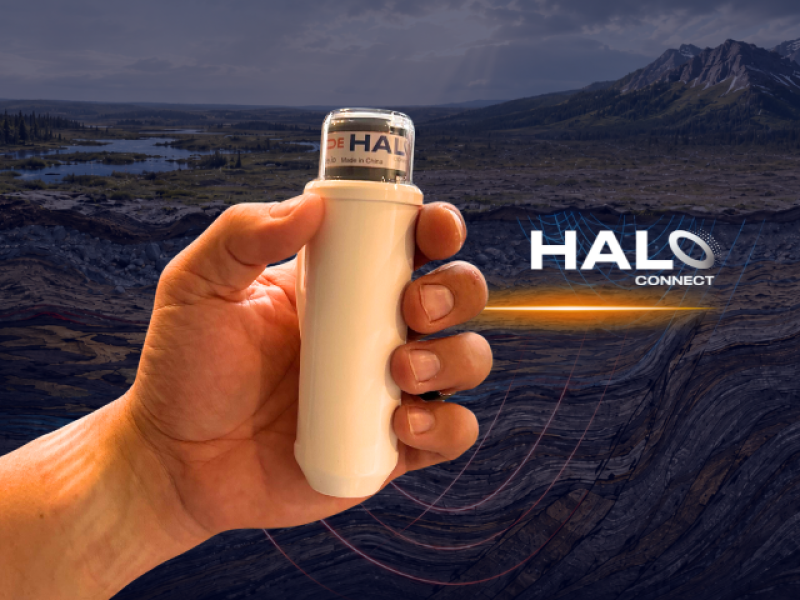
Shallow oil sands reservoirs present some of the most demanding seismic acquisition challenges in the industry. Thin pay zones, subtle stratigraphic variations and environmentally sensitive operating conditions require more than conventional nodal technology.
Halo-Connect has been engineered, and proven to meet these demands, combining industry-leading broadband performance, ultra-high-density acquisition and low-impact field operations to deliver clearer subsurface images and more confident reservoir characterisation, faster and at a lower price-point.
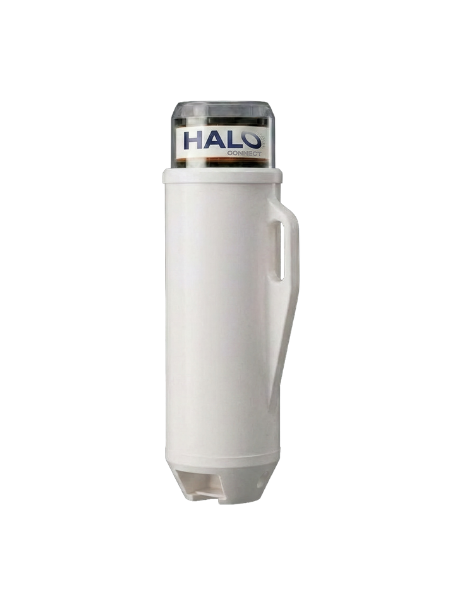
The subtle geological variations that control oil sands reservoir quality are often only visible when seismic surveys are acquired at very high spatial sampling densities. The low price-point of Halo-Connect enables affordable ultra-high-density acquisition, allowing operators to:
Halo-Connect records frequencies from 0.5–200 Hz, enabling acquisition of both low-frequency energy for deeper penetration and waveform stability, alongside high-frequency content required to resolve thin oil sands reservoirs.
The result is:
Canadian oil sands projects increasingly demand acquisition methods that minimise environmental disturbance without compromising data quality.
Halo-Connect's ultra-lightweight design enables:
Halo-Connect has been engineered to maximise acquisition productivity while reducing the resources required to complete a survey.
Operators benefit from reduced costs enabled by:
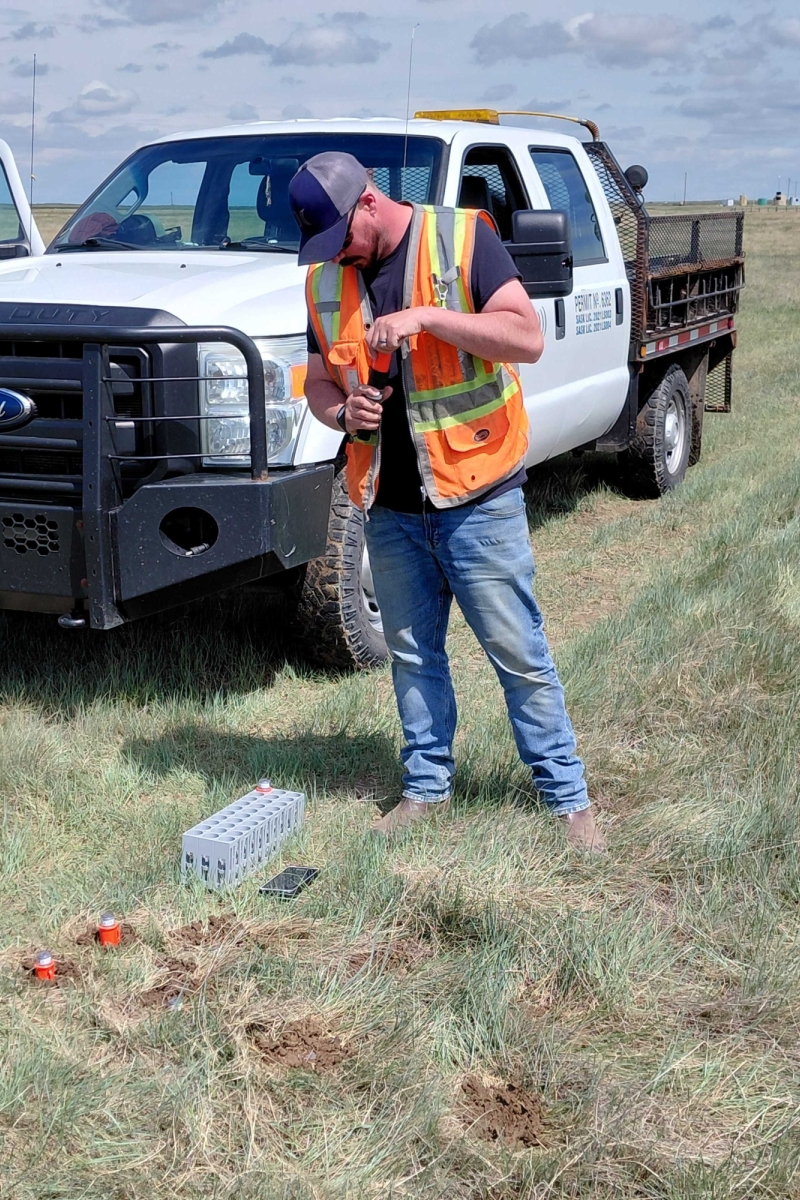
Deployed alongside other nodal receivers on open prairie by leading seismic contractor, Echo Seismic, this pilot recorded weight-drop, vibratory and explosive sources side-by-side, benchmarking Halo's operational performance and data quality across all three.
Testing extended to lightweight and heavyweight drones for node health data collection across long spreads.
The image shows an Echo Seismic crew member deploying Halo-Connect field pilot nodes in Calgary, Alberta.

