


At STRYDE, we help companies fast-track high-density seismic acquisition with state-of-the-art nodal technology and data processing solutions.
We’ve brought onshore subsurface imaging out of the dark ages for companies operating in the oil and gas sector seeking to:
"CCED are currently acquiring the world’s largest 3D node survey over our blocks 3 & 4 (29, 219 sqkm), onshore Oman.
This nodal technology approach (+165,000 channels) provides multiple benefits to CCED, by cutting down on data acquisition costs, minimizing HSE footprints in the field (less manual handling, reducing vehicle count from c.160 to c.40, reduced field crew size 600 to c.220 etc.), and expanded land access in our sabkha-dune environment, all to acquire high quality, operationally efficient (high density, point receiver geometries providing increased spatial sampling density, with no compromise to data quality) outcomes."
Exploration and Appraisal Director, CCED


Traditionally, land seismic in the Middle East has been acquired through complex cabled geophones or large nodal devices that are restrictive, risky, and expensive solutions for seismic acquisition.
The use of miniature, low-cost nodal devices like STRYDE’s Nodes™ enables companies to deploy significantly more receiver devices at an affordable price point.
This results in denser seismic and elimination of blind spots, helping fast-track and better reconstruction of the subsurface image during processing to deliver a high-resolution seismic image.

Learn more →

Learn more →

Learn more →
Learn more →
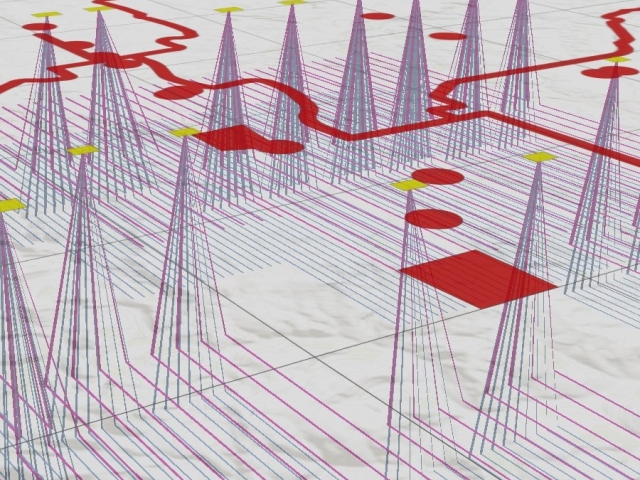
Discover how seismic surveys differ depending on the type of seismic sensor used. Here we show how nodal seismic sensors compare to cabled geophone arrays for a 3D seismic survey in a desert environment.
Exploring for energy and mineral resources in desert environments requires seismic systems that can operate efficiently across vast, remote, and often challenging terrain. High-resolution seismic data is essential for accurately imaging the subsurface and reducing exploration risk, yet conventional land seismic equipment is often bulky, expensive, and logistically demanding to deploy at scale in desert settings.
STRYDE is changing this. We have developed the world’s smallest, lightest, and most cost-effective seismic receiver technology, purpose-built for efficient deployment in large-scale onshore surveys.
STRYDE nodes enable ultra-high-density seismic acquisition across desert environments, delivering superior subsurface imaging while significantly reducing logistical complexity, crew size, and operational costs. Their compact design and simple deployment make it possible to cover large areas quickly and efficiently, helping operators acquire higher-quality data and accelerate exploration programmes in even the most remote desert regions.
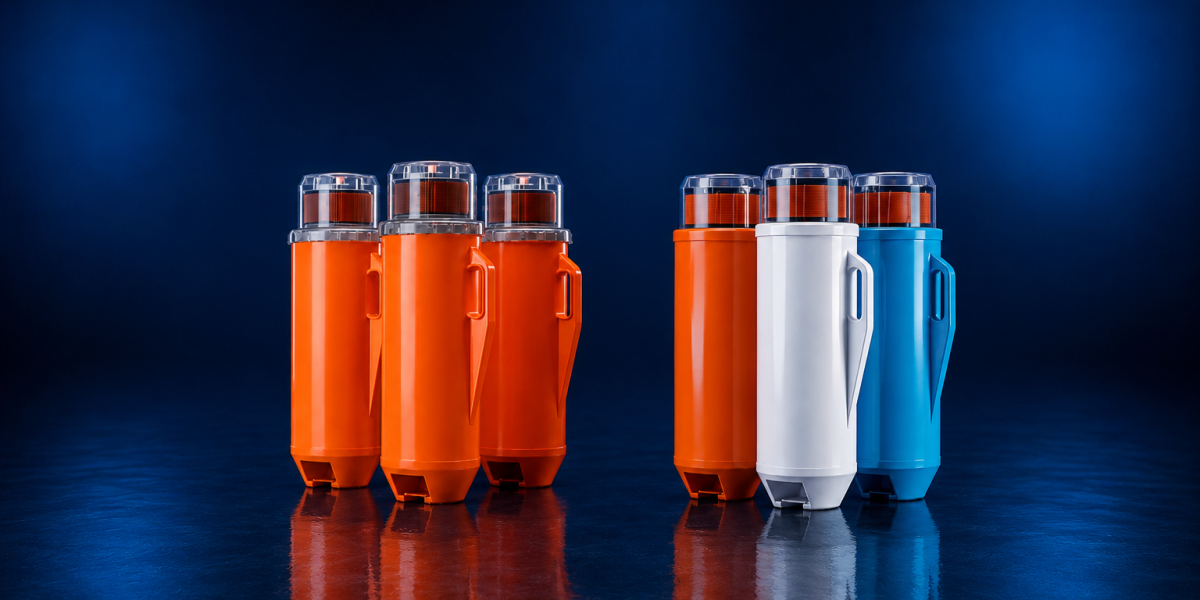
At STRYDE, we know that to be truly cost-effective when acquiring high-density data, the total cost per channel must include the node cost as well as the charging and data harvesting costs and time.
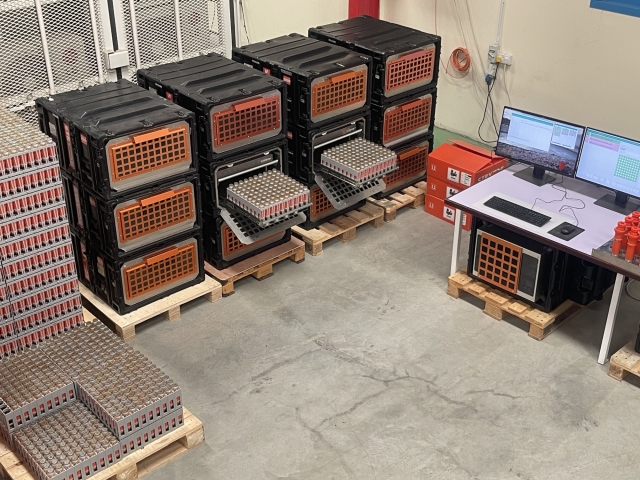
We have developed two separate node management systems which have scalable charging and harvesting units (Nests), to ensure our solution enables cost-effective, efficient, and effective high-density land seismic acquisition, for any survey size.
A small-scale and portable seismic nodal system, capable of managing, charging, and harvesting data from up to 30,000 nodes in the field. This system has the capacity to charge and harvest up to 3,000 nodes per day.
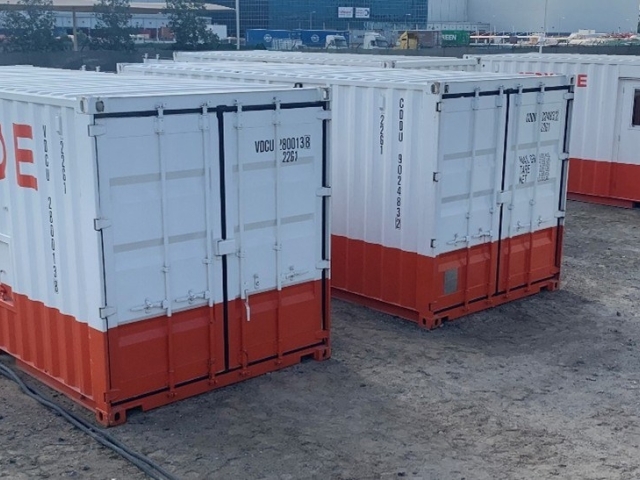
A customizable containerized seismic system designed to manage up to one million nodes, offering unmatched scalability and flexibility for diverse project needs. This system has the capacity to charge and harvest up to 40,000 nodes per day.

Fully sampled, high-resolution image uplift, to pinpoint opportunities and de-risk drilling decisions

Significantly reduced subsurface imaging costs

Fast-track seismic imaging for oil and gas exploration and reservoir optimization

Smaller seismic crews and less exposure to HSE risk

The only feasible solution for large-scale, high-density seismic surveys

Increased sort-domains for noise attenuation
A multi-purpose operational facility and warehouse, located in the Jebel Ali Free Zone, in Dubai, has the capacity to stock over 1 million land seismic nodes, available to purchase or lease, and is home to our containerised node management systems, designed specifically for large-scale seismic surveys across the Middle East, Africa, India, Australia, and the Far East.
The warehouse, which joins our current locations in London, Norway, and Houston, offers classroom and practical training facilities for STRYDE users along with the ability to learn node deployment and retrieval activities in its secure yard. Based in one of the most powerful business ecosystems in the world, our Middle East hub enables rapid mobilisation to our customers and access to our expert operational field support team.

Nodes delivered to the market since 2020
Years of cumulative seismic field support experience
Our latest case studies, news, videos, blogs and technical papers...

We outline key design principles to address these challenges and show results from a recent field trial during which 50,800 prototype lightweight autonomous nodes were deployed a total of 500,000 times (with a fault rate of only 0.16% per month). We also show examples of how apparently mundaneattributes of the continuously recorded data can acquire an unexpected value when acquired at high density over large areas.
Read the paper

Learn how STYRDE enabled DNO to complete a “faster, cheaper and safer” seismic survey in Northern Iraq...
Learn more

Watch the world's largest nodal survey (166,000 channels), acquiring high-resolution seismic data, in a way that has never been done before.
Learn more

In this blog, Kevin discusses some of the top operational challenges associated with the use of cable-based systems and offers practical methods and advice to help overcome these
Learn more

STRYDE's nimble node is tested in the desert compared to cabled geophone systems... discover the results.c
Learn more

In this blog, Chris discusses the common challenges associated with achieving survey design excellence and offers insights and advice for designing an efficient and effective seismic survey.
Learn more

Oman-based land seismic acquisition company uses STRYDE’s Nimble and Compact systems to obtain better high-definition images for oil and gas exploration...
Learn more

It’s clear to see that STRYDE holds the key to unlocking the future high-density mega surveys – and that the future is ready to be unlocked now by forward-thinking oil and gas operators who are ready to embrace a modern breed of seismic technology, discover how...
Learn more

The benefits of using autonomous nodes in a desert environment to efficiently achieve high trace density seismic surveys...
Learn more

With increased environmental, financial, and geological risks related to fracking, understanding the reservoir’s characteristics and production capability makes a significant difference between a cost-effective and successful hydrocarbon extraction, and one that leads to poor production and completion headaches, and ultimately wasted spend.
Learn more

After decades of relying on miles and miles of cables, we’re showing the sector how the latest and greatest technology is acquiring powerful data whilst unlocking unrivaled survey efficiencies and cost savings.
Learn more


