


Oil and gas
Evidence from a Large-Scale Campaign in the Middle East:
How can seismic crews increase receiver density while reducing their exposure to field hazards?
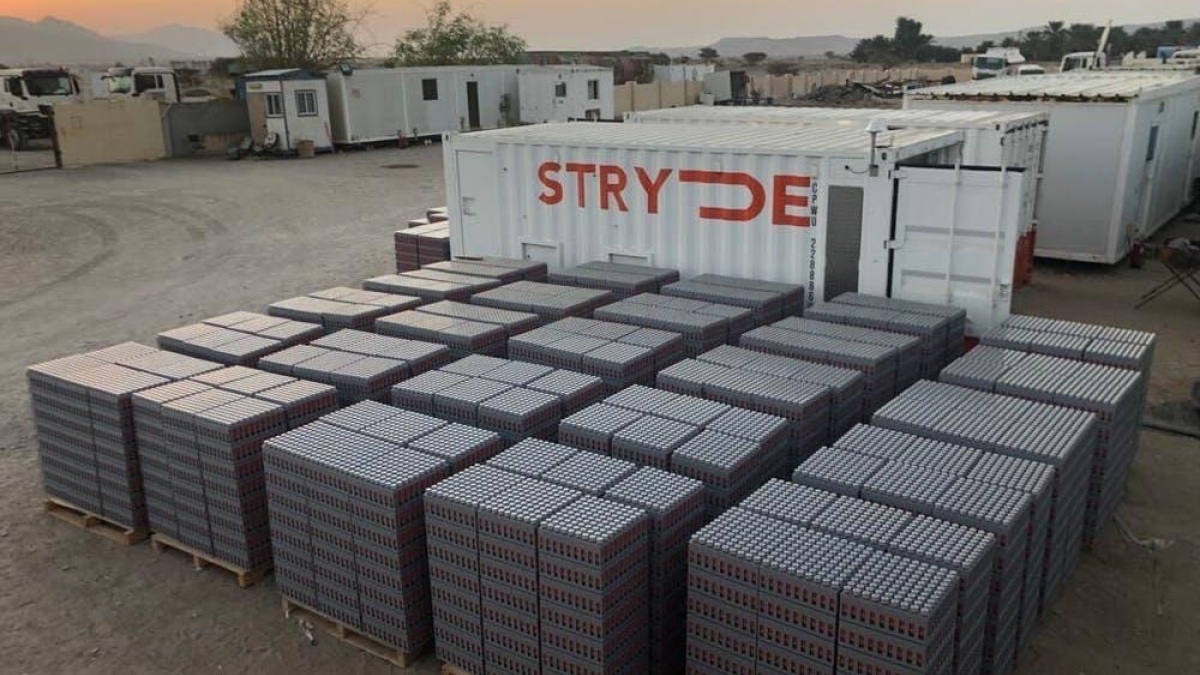
This technical presentation from STRYDE examines how autonomous nodal systems change the health, safety and environmental risks associated with large-scale desert seismic acquisition. Drawing on a Middle East campaign, it compares task-based hazard models for a traditional 40,000-channel cabled system and an approximately 160,000-node autonomous system.
The analysis shows how removing cables, reducing manual handling and limiting vehicle movements can lower modelled HSE exposure - even with four times as many recording channels.
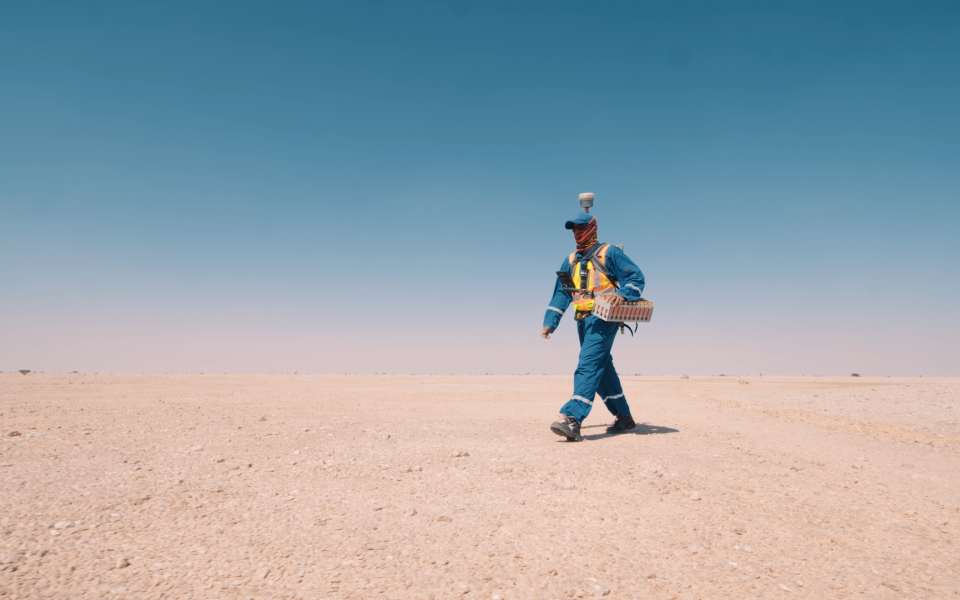
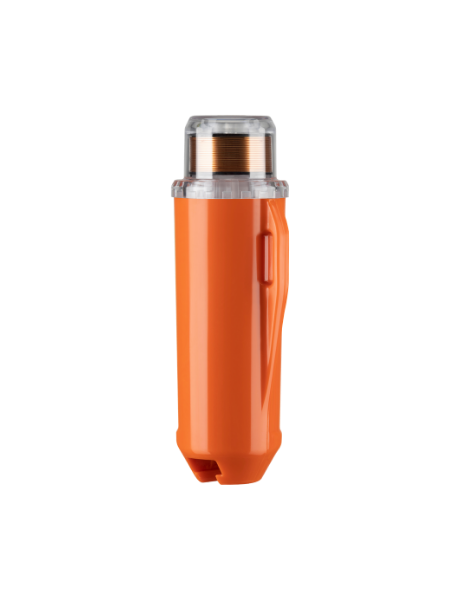
Approximately 160,000 autonomous nodes compared with 40,000 cabled channels, with lower modelled exposure across all six hazard categories
Hand-placed nodes replace heavy cable handling and reduce repetitive troubleshooting tasks.
Removing surface cables and connectors reduces trip hazards across the recording spread.
Fewer vehicle movements are needed for line support and troubleshooting during production.
Removing spread electrical distribution substantially reduces exposure, with residual risks from damaged nodes and portable devices.
Minimal corridor clearance and reduced heavy vehicle support lower the environmental impact of recording operations.