


AGU 2026
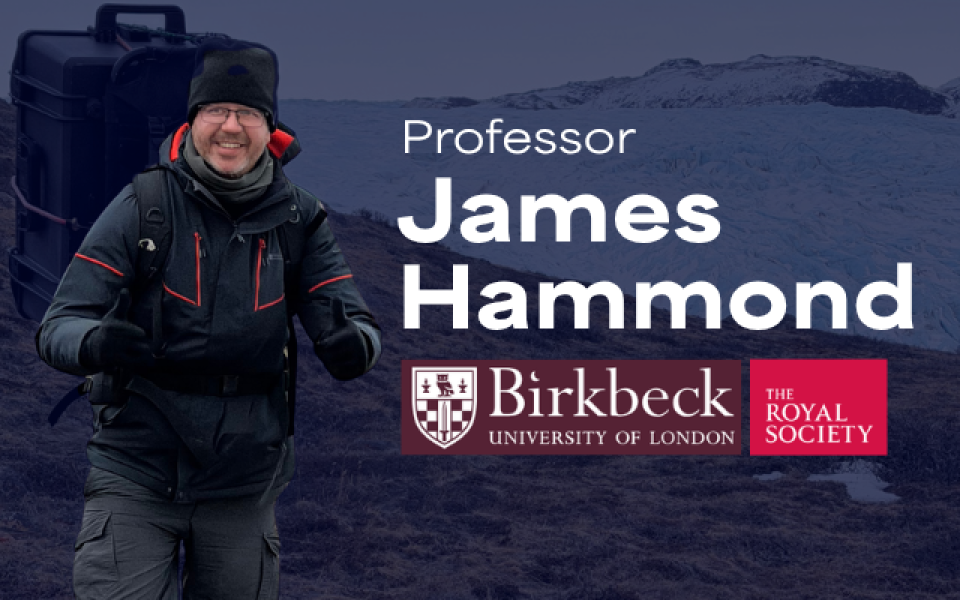
An official AGU workshop hosted by Birkbeck, University of London's Professor James Hammond bringing researchers and technology providers together to explore what’s needed to make large-N seismology more accessible to the academic community.
STRYDE is proud to sponsor this workshop as part of our collaboration with Professor James Hammond of Birkbeck, University of London, through his Royal Society Fellowship.
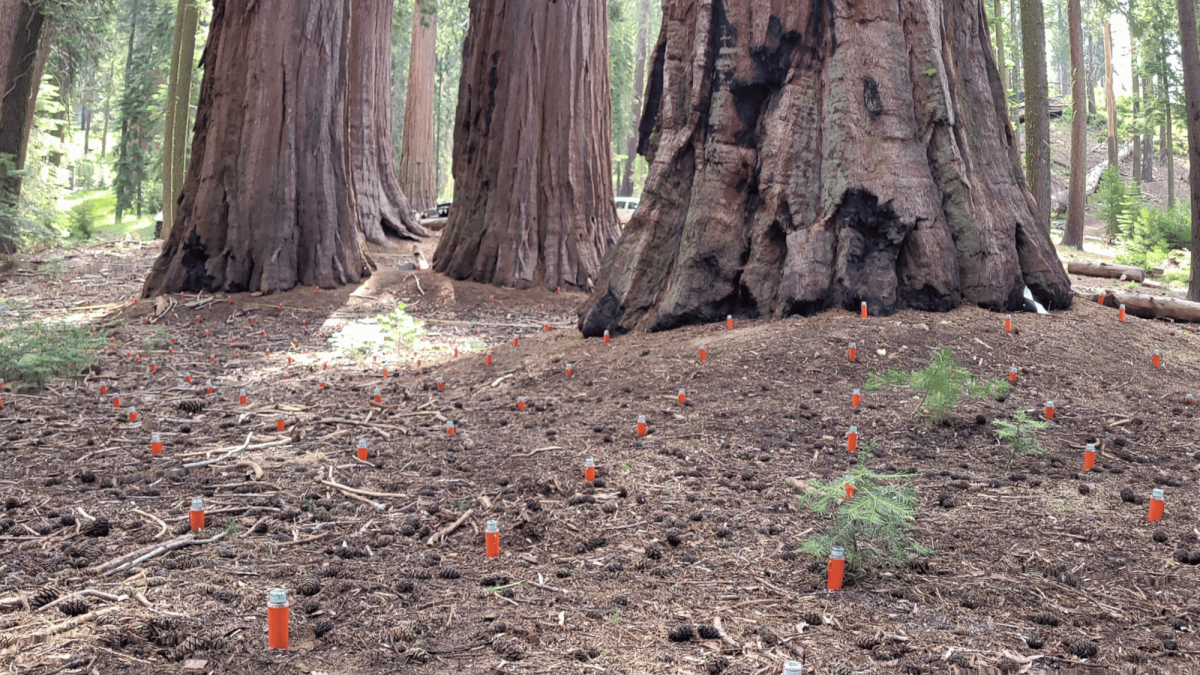
It is an exciting time for seismology. Advances in technology are enabling researchers to sample the subsurface at much greater spatial densities than previously practical. These technologies are improving traditional seismic imaging and earthquake location while opening the door to a growing range of applications in environmental seismology.
However, scaling up seismic acquisition brings new challenges. Much of the technology was originally developed for exploration seismology, and large-N surveys can generate substantial volumes of data that need to be efficiently managed, processed and archived.
So, what does the academic community need to make large-N seismology easier to access and deploy?
Hosted by Professor James Hammond of Birkbeck, University of London, and supported by STRYDE, the workshop will bring together researchers and technology providers for an open discussion about the opportunities, challenges and future needs of large-N seismology.

Tuesday, 8 December 2026
12:15–14:15
Marriott Marquis San Francisco | Sierra GH
Limited to 50 attendees
What capabilities do researchers need from the next generation of seismic acquisition technology?
How can academic teams efficiently plan and scale large-N field deployments?
How should the large datasets generated by dense seismic arrays be handled, processed and archived?
What barriers currently limit adoption, and what could help more researchers take advantage of large-N methods?
How can academia and technology providers work together to support future research?
The meeting is open to large-N seismology enthusiasts as well as researchers who have not yet worked with large-N acquisition.
Researchers at all career stages are encouraged to attend, share their experiences, ask questions and contribute to the discussion about what the academic community needs next.